
Side Dishes
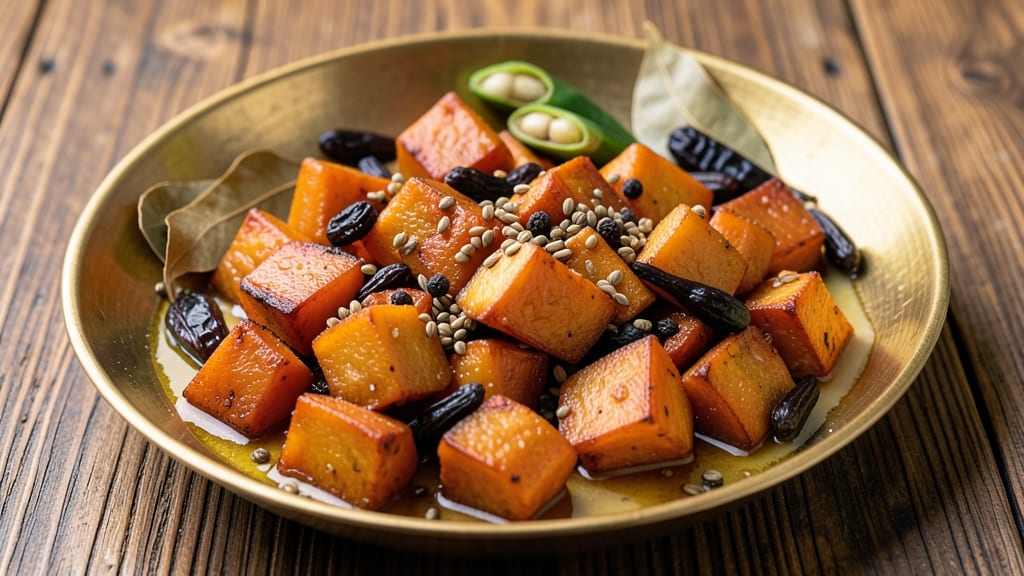
This sweet potato sabji recipe transforms humble tubers into a one-pot, aromatic curry that captures the heart of Indian home cooking. The secret lies in slow-sautéed spices that bloom into earthy, caramelized depth, while tender sweet potatoes absorb the flavors into a velvety gravy.
I developed this version after years of experimenting with regional techniques—balancing the natural sweetness of sweet potatoes with just enough tang to keep the dish vibrant.
The beauty of this recipe is its simplicity: one-pot preparation means minimal cleanup while delivering restaurant-quality results. Start with a tempering of whole spices that infuse the oil with warmth, then let the sweet potatoes simmer until they're fork-tender and the gravy thickens to a perfect consistency.
The spices—cumin, coriander, and garam masala—create layers of complexity that make this dish far more interesting than basic boiled sweet potatoes.
What you'll end up with is a dish that's rich yet balanced, with golden-brown sweet potatoes swimming in a fragrant, slightly tangy gravy. The aroma alone will have everyone gathering at the table, and the texture—creamy potatoes with a touch of crunch from toasted spices—makes it irresistibly comforting.
This sabji pairs beautifully with roti, steamed rice, or even as a side to grilled meats.
For extra brightness, finish with a squeeze of lemon and a sprinkle of fresh cilantro—these simple touches elevate the dish from ordinary to extraordinary. The recipe scales effortlessly, making it perfect for family meals or gatherings. Ready to create a sabji that tastes like home?
Ingredients for sweet potato sabji
Transform humble sweet potatoes into a fragrant, one-pot sabji with these aromatic spices and velvety gravy ingredients.
| Ingredient | Amount | Notes |
|---|---|---|
| Sweet Potatoes 🍠 | 2 lbs | Medium-sized, peeled and cubed |
| Ghee or Vegetable Oil 🫒 | ½ cup | Ghee preferred for authentic flavor |
| Cumin Seeds 🌿 | 1 tbsp | Whole seeds, toasted until fragrant |
| Bay Leaves 🍃 | 2 whole | Dried, for deep aromatic base |
| Green Cardamom Pods 🌿 | 4 whole | Lightly crushed for gentle perfume |
| Black Cardamom Pods 🌿 | 1 whole | Optional, adds smoky depth |
| Ground Coriander 🌿 | 1 tbsp | Freshly ground preferred |
| Turmeric Powder 🌶️ | ½ tsp | Freshly ground for vibrant color |
| Garam Masala Powder 🌶️ | 1 ½ tbsp | Homemade or quality store-bought |
| Tomato Puree 🍅 | ½ cup | San Marzano preferred for sweetness |
| Fresh Cilantro 🌿 | ¼ cup | Chopped, for fresh finish |
| Lemon Juice 🍋 | 1 tbsp | Freshly squeezed for brightness |
| Salt 🧂 | 1 tsp | Diamond Crystal preferred |
| Water 💧 | 1 ½ cups | For simmering potatoes |
The spices are the soul of this sabji—whole spices like cumin and cardamom must be toasted until fragrant to release their full potential. Penzeys Spices or your local Indian grocery store are ideal for authentic, high-quality whole spices. For garam masala, I recommend MDH or Everest brand for that balanced, complex flavor profile. The sweet potatoes should be medium-sized and uniform for even cooking; orange-fleshed varieties like Beauregard hold their shape best. If using ghee, opt for 100% pure, grass-fed for the richest flavor, though vegetable oil works perfectly for a lighter option.
No whole spices? Ground cumin and cardamom at half the amount will work in a pinch, though the texture won't be as authentic. Substitute black cardamom with an extra pinch of smoked paprika for depth. For tomato puree, San Marzano crushed tomatoes are non-negotiable—they're sweeter and less acidic, which balances the earthy sweet potatoes beautifully. Fresh cilantro is essential here; dried cilantro powder lacks the bright, citrusy notes that finish the dish. If you can't find black cardamom, skip it entirely—this dish still shines without it, but the smoky complexity is worth seeking out at specialty stores.
This sabji reheats beautifully—taste even better the next day as the flavors meld further. Store leftovers in an airtight container in the fridge for up to 5 days, or freeze portions for 3 months. For meal prep, portion into individual containers with a sprinkle of cilantro on top to maintain freshness. The dish pairs perfectly with steamed basmati rice or whole wheat roti, and the gravy thickens slightly upon reheating, so add a splash of water if needed to restore its velvety texture.
Why You'll Love This Recipe
- One-Pot Magic: I swear by this recipe when I’m too tired to wash pots—just toss the cubes in, let the cumin and cardamom bloom in ghee, and walk away. The bay leaves add that deep, earthy aroma without extra effort, and the sweet potatoes caramelize right in the pan.
- Caramelized Comfort: That crispy golden crust on the outside? It’s the ghee working its magic, while the inside stays tender and slightly sweet. Honestly, the first time I made this, I forgot to add the cardamom and still ate it all—proof it’s good even when you wing it.
- Meal Prep MVP: I make a big batch on Sundays and reheat portions all week—it’s perfect for lunches or even as a side for grilled meats. The flavors actually improve after a day in the fridge, and it reheats like a dream (no soggy edges here).
- Budget Bright Spot: Sweet potatoes are my go-to when I need to stretch a meal, and this recipe uses just enough ghee to feel special without breaking the bank. Between us, it’s the kind of dish that makes grocery day feel like a win—simple, filling, and no one will guess it’s cheap.
Step-by-step instructions for sweet potato sabji
Master this one-pot technique for a rich, aromatic sweet potato dish with deep spice layers.
Sauté Whole Spices in Ghee Until Fragrant
Heat the 0.5 cup ghee or vegetable oil in a heavy-bottomed pot over medium heat until shimmering but not smoking. Add the 1 tablespoon cumin seeds and toast for 30 seconds until they begin popping—this releases their nutty aroma. Immediately add the 2 whole bay leaves, 4 whole green cardamom pods, 1 whole black cardamom pod, and 1 tablespoon ground coriander.
Stir for 1 minute until the spices sizzle and fill your kitchen with their earthy perfume. The black cardamom adds subtle smokiness while the green cardamom provides floral notes—both essential for authentic depth. Remove the pot from heat if the spices begin to darken too quickly, then return to medium-low heat to prevent burning.
Cook Sweet Potatoes Until Tender
Add the 2 lbs cubed sweet potatoes to the pot in a single layer, spreading them evenly. Sprinkle with the 0.5 teaspoon turmeric powder and 1 teaspoon salt, then pour in the 1.5 cups water. Stir gently to combine, ensuring the potatoes are submerged but not packed too tightly.
Bring to a simmer, then reduce heat to low and cover with a tight-fitting lid. Cook for 15-18 minutes until the potatoes are fork-tender with just a slight resistance. You'll know they're ready when they pierce easily but still hold their shape—overcooking turns them mushy. Stir occasionally to prevent sticking, adding a splash of water if the liquid reduces too much.
Build the Spiced Gravy Base
Once the potatoes are tender, increase heat to medium-high and uncover the pot. Add the 0.5 cup tomato puree and 1.5 tablespoons garam masala powder, stirring vigorously to coat the potatoes evenly. The garam masala should dissolve completely into the liquid, creating a vibrant red-orange gravy.
Simmer uncovered for 8-10 minutes until the gravy thickens slightly and clings to the potatoes. You're looking for a consistency where the sauce coats the back of a spoon but isn't gluey. Taste and adjust seasoning—add more salt if needed or a pinch of sugar to balance any acidity from the tomato puree. The lemon juice will come later, so hold off until the final step.
Finish with Fresh Herbs and Brightness
Reduce heat to low and stir in the 1 tablespoon lemon juice and 0.25 cup chopped fresh cilantro. The acidity brightens the dish while the cilantro adds freshness that cuts through the richness of the ghee and spices. Let the sabji simmer for 2 minutes to allow the flavors to meld completely.
Remove from heat and let it rest for 5 minutes before serving. This resting period allows the spices to infuse fully and the flavors to harmonize. Serve immediately with steamed basmati rice or warm naan, ensuring each bite delivers the perfect balance of sweet potatoes' natural sweetness, aromatic spices, and tangy finish.
Pro Tips For Making Sweet Potato Sabji
- CUT POTATOES UNIFORM: I learned this the hard way—uneven chunks mean some parts mushy, others raw. Dice into 1-inch cubes (no smaller) so they cook through without turning to glue.
- SLOW THE GHEE DOWN: After adding cumin, drop the heat to medium-low. I used to rush this, and the cumin burned before the cardamom could bloom—now I wait until the oil stops popping before adding bay leaves.
- PEEL WHEN COLD: Hot sweet potatoes peel like they’re covered in glue. Let them cool 10 minutes first, then peel—cleaner, easier, and no steam in your face.
- SALT AFTER CARAMELIZING: Add salt only after the potatoes turn golden. Early salt draws out moisture, making them steam instead of crisp up. Wait until the edges are dry and brown.
Storing and reheating this dish
Refrigerator Storage
Let your sweet potato sabji cool to room temperature (about 30-45 minutes) before transferring to an airtight container—I prefer glass Pyrex with snap-on lids for even reheating. Store in the fridge at 40°F or below for up to 5 days.
The flavors actually deepen overnight as the spices meld further, making it taste even better the next day. 💫
Freezer Prep Tips
For long-term storage, portion the sabji into quart-sized freezer bags (leave 1 inch headspace for expansion). Press out excess air to prevent freezer burn, then seal tightly. This sabji freezes beautifully for up to 3 months—just thaw overnight in the fridge before reheating.
I like adding a sprinkle of fresh cilantro to the top layer before freezing to preserve brightness. ❄️
Stovetop Reheating
My preferred method is stovetop reheating in a heavy-bottomed pot over medium-low heat. Add 2-3 tablespoons water to prevent sticking and stir occasionally for 8-10 minutes until piping hot.
The gravy will thicken slightly—adjust with extra water if needed. Taste and add a pinch of salt or lemon juice to revive freshness. 🔥
Microwave Method
For quick reheating, transfer portions to a microwave-safe dish and cover with a damp paper towel. Heat on 70% power for 2-3 minutes, stirring halfway. The damp towel prevents drying while maintaining moisture.
If the sabji looks dry, add 1 tablespoon water or tomato puree before microwaving again. The texture stays creamy this way. 💡
Gravy Consistency Fix
If reheated sabji seems too thick, stir in 1-2 tablespoons water or reserved cooking liquid while warming. For extra richness, add a pat of ghee or butter during reheating.
The key is gentle heat—high temperatures can break down the spices' delicate flavors. Always reheat to an internal temp of 165°F for safety. ✨
Meal Prep Strategy
Double the recipe and store half for meal prep—I assemble individual portions in glass containers with tight lids, then refrigerate for up to 4 days. The sabji reheats perfectly for lunch or dinner, and the spices keep the flavors vibrant.
For variety, serve with different grains each time: basmati rice one day, quinoa the next, or even as a filling for wraps. 📅
Nutrition facts
Frequently asked questions
Can I substitute regular potatoes for sweet potatoes in this sabji?
While you can use regular potatoes, the flavor and texture will differ significantly. Sweet potatoes bring natural sweetness and a creamier texture when cooked. For a closer substitute, try orange-fleshed potatoes like Yukon Gold, but expect less vibrant color and a milder taste. The dish will still work, but the authentic earthy depth comes from sweet potatoes.
How do I adjust the spice level for kids or sensitive stomachs?
Reduce the garam masala and black cardamom by half, and skip the whole spices like cumin and bay leaves. Instead, toast just ½ teaspoon ground cumin in the oil and use ½ teaspoon mild garam masala. The sweetness of the potatoes will still shine through, and the dish remains flavorful without being too intense.
What's the secret to getting the perfect gravy consistency?
The key is simmering uncovered for 8-10 minutes after adding tomato puree. The gravy should coat the back of a spoon but not be gluey. If it thickens too much, stir in 1-2 tablespoons water or reserved cooking liquid while reheating. For extra richness, add a pat of ghee at the end.
Can I make this sabji in an Instant Pot or pressure cooker?
Yes! Sauté the spices as directed, then add potatoes, water, and spices. Cook on high pressure for 3 minutes (natural release). Finish with tomato puree, garam masala, and lemon juice. The pressure cooker cuts cooking time to 15 minutes total while keeping the flavors intact. Just be careful not to overcook—the potatoes should still hold their shape.
Why does my sabji taste bland after reheating?
Reheating can mute flavors, especially if the sabji sits too long before reheating. To fix this, add a splash of lemon juice or tomato puree while warming, and finish with fresh cilantro. For future meals, store the sabji in the fridge for no more than 3 days before reheating to preserve maximum flavor.