
Side Dishes
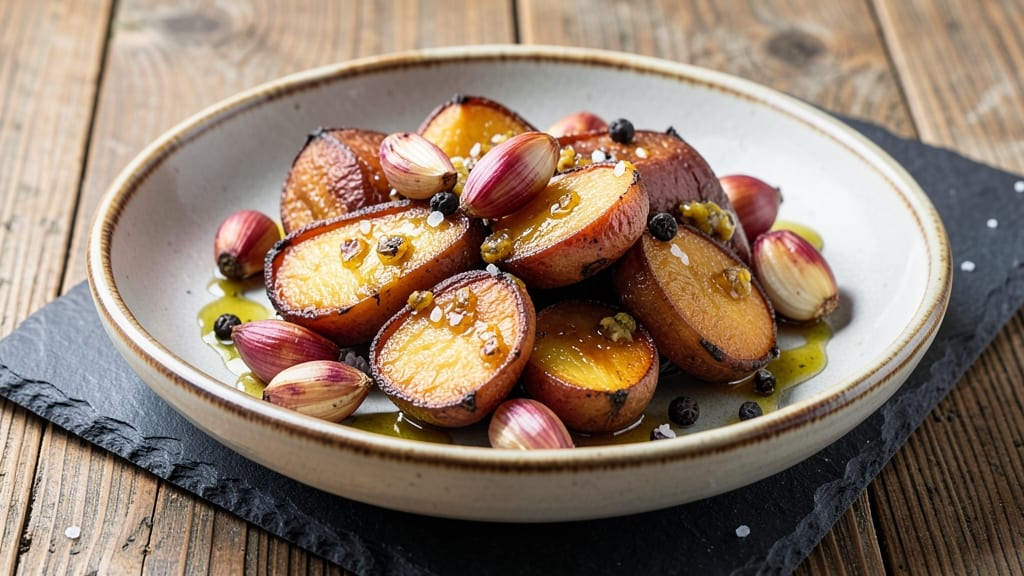
This sweet potato shallot recipe transforms humble ingredients into a dish that balances caramelized sweetness with crispy shallot crunch—perfect for elevating any meal. 🔥 The secret lies in roasting sweet potatoes until tender and crisping shallots until golden, creating a textural contrast that makes every bite exciting.
This versatile side dish works as a standalone vegetarian main or pairs beautifully with proteins like chicken or fish.
The recipe starts with simple prep: peel and cube sweet potatoes, then roast them until fork-tender while you caramelize the shallots in olive oil until deep golden. The result is a dish where the sweet potatoes develop a rich, nutty depth while the shallots add a satisfying bite.
No fancy techniques are needed—just patience and attention to timing for perfect results every time.
What sets this recipe apart is its adaptability. Serve it as a warm side dish alongside roasted meats, mash it into a creamy puree for a comforting bowl, or even fold it into stews for added texture.
The natural sweetness of the potatoes pairs wonderfully with savory flavors, making it a crowd-pleaser for any occasion.
Ready in about 45 minutes, this recipe delivers restaurant-quality results with minimal effort. The caramelized shallots bring a touch of sophistication, while the tender sweet potatoes ensure comfort. Whether you're hosting dinner or meal prepping for the week, this dish is a game-changer for your table.
Ingredients for sweet potato shallot
Nine ingredients transform simple roasting into a sophisticated dish with perfect caramelized sweetness and crispy shallot crunch.
| Ingredient | Amount | Notes |
|---|---|---|
| Sweet Potatoes 🍠 | 2 lbs | Medium-sized, peeled and cubed |
| Shallots 🧅 | 1 ½ cups | Peeled and sliced into thin rings |
| Extra-Virgin Olive Oil 🫒 | ½ cup | High-quality, fruity variety |
| Kosher Salt 🧂 | 1 ½ tsp | Diamond Crystal preferred |
| Freshly Ground Black Pepper 🌶️ | ½ tsp | For seasoning |
| Garlic Cloves 🧄 | 4 cloves | Minced for depth of flavor |
| Fresh Thyme Leaves 🌿 | ¼ cup | Chopped, for aromatic touch |
| Brown Sugar 🍚 | 1 tbsp | Lightly packed, enhances sweetness |
| Balsamic Vinegar 🍷 | 1 tbsp | For finishing touch |
| Fresh Parsley 🌿 | 0.1 cup | Chopped, for garnish |
The sweet potatoes are the foundation—look for firm, vibrant orange ones with smooth skin. Whole Foods or local farmers markets often carry the sweetest varieties, but any medium-sized sweet potatoes will work. Peele them first to save time during prep, then cube into even-sized pieces for consistent roasting. Shallots should be plump and firm, not shriveled—Trader Joe's or Whole Foods bulk sections are great sources. Slice them thinly for maximum crispiness; a sharp chef's knife makes this step effortless. The olive oil matters here too—California-grown extra-virgin adds fruity notes that elevate the dish.
No fresh thyme? Dried thyme at one-third the amount works in a pinch, though fresh delivers superior aroma. Running short on shallots? Substitute red onion rings, but they'll be slightly milder. The balsamic vinegar can be swapped for red wine vinegar, though it lacks the same depth. For extra richness, add 1/4 cup of pecans during the final minutes of roasting—this adds crunch and nutty flavor. If your sweet potatoes are extra moist after roasting, pat them dry with a paper towel before tossing with shallots to achieve that perfect crisp-tender texture. The brown sugar enhances caramelization without overpowering the natural sweetness of the potatoes.
Roasted sweet potatoes keep well in the fridge for 4-5 days when stored in an airtight container, though they're best enjoyed within 2 days for peak texture. The crispy shallots? Consume within 2 days—their texture degrades quickly. For meal prep, roast the sweet potatoes ahead and store separately, then crisp the shallots fresh before serving. This dish reheats beautifully—350°F for 10 minutes restores warmth without losing crispness. Garnish with parsley just before serving to maintain vibrant color and freshness.
Why You'll Love This Recipe
- One-Pan Magic: I swear by this recipe because it’s literally just sweet potatoes, shallots, olive oil, and salt—no fancy gadgets or last-minute grocery runs. Toss everything on a sheet pan, roast until caramelized, and boom. Done. (Yes, even on a Tuesday night when you’re mentally exhausted.)
- Shallot Sweetness Bomb: That moment when the shallots turn golden and glossy? It’s like a flavor explosion—sweet, nutty, with this deep, almost honeyed richness that pairs perfectly with the creamy sweet potato. Honestly, I’ll take this over store-bought fries any day.
- Meal Prep MVP: Between us, this is my go-to for lunches all week. Roast a big batch, portion it into containers, and reheat straight from the fridge—no soggy textures, just warm, crispy edges every time. (My coworkers think I’m a genius. They’re not wrong.)
- Budget Buster: Sweet potatoes and shallots are cheap, and this recipe stretches them far. I make enough for four meals for the price of one restaurant appetizer, and the leftovers? They disappear faster than I can say “second helping.” (Not the prettiest, but the taste makes up for it.)
Step-by-step instructions for caramelized sweet potatoes with shallots
This method transforms humble sweet potatoes into a restaurant-worthy dish with perfect caramelization and shallot crunch.
🔥 Step 1: Par-cook the Sweet Potatoes for Even Texture
Preheat your oven to 400°F. Toss the 2 lbs sweet potatoes with 2 tablespoons of the 0.5 cup extra-virgin olive oil, 1 teaspoon of the 1.5 teaspoons kosher salt, and ¼ teaspoon of the 0.5 teaspoon freshly ground black pepper. Spread them in a single layer on a rimmed baking sheet.
Roast for 20-25 minutes until the edges are tender when pierced with a fork but the centers remain slightly firm. This par-cooking ensures even cooking later without turning to mush. The potatoes should be fork-tender but not falling apart—think of them as al dente. Remove from oven and let cool slightly before proceeding.
🍳 Step 2: Build Deep Flavor with Shallots and Aromatics
In a large, oven-safe skillet, heat the remaining 0.3 cup extra-virgin olive oil over medium-low heat. Add the 1.5 cups shallots and cook for 10-12 minutes, stirring occasionally, until they're deep golden brown and caramelized—this is where the magic happens. The shallots should be tender but still hold their shape with a jammy texture.
Add the 4 cloves minced garlic and 0.25 cup chopped fresh thyme leaves, cooking for another 1 minute until fragrant. Here's the thing—don't rush this step. The low heat allows the shallots to develop their natural sweetness without burning. If they start to darken too quickly, reduce heat to medium-low immediately.
🥘 Step 3: Combine and Roast to Perfection
Add the par-cooked sweet potatoes to the skillet with the caramelized shallots. Sprinkle with the remaining 0.5 teaspoon kosher salt, remaining ¼ teaspoon black pepper, and the 1 tablespoon brown sugar. Toss everything gently to coat the potatoes evenly in the shallot mixture.
Transfer the skillet to the preheated oven and roast for 15-20 minutes until the potatoes are tender throughout and the edges are crispy. You'll know they're done when the sweet potatoes collapse easily under gentle pressure and the shallots have developed a glossy, caramelized sheen. The brown sugar will enhance their natural sweetness while preventing them from sticking.
🍽️ Step 4: Finish with Balsamic and Garnish
Remove from the oven and drizzle with the 1 tablespoon balsamic vinegar, tossing gently to distribute. The acidity cuts through the richness and adds a sophisticated depth of flavor. Let it sit for 2 minutes to allow the balsamic to mingle with the other flavors.
Garnish with the 0.1 cup chopped fresh parsley and serve immediately. The contrast of warm, caramelized sweet potatoes with the crisp shallots creates an irresistible texture combination. The dish should be vibrant with deep caramel hues and a balance of sweet, savory, and slightly tangy flavors. Pair with grilled meats or crusty bread for a complete meal.
Pro Tips For Making Sweet Potato Shallot
- CUT SHALLOTS SMALLER THAN YOU THINK: Shallots should be paper-thin slices—no bigger than 1/16-inch—so they soften evenly without turning to mush. I learned this the hard way after ending up with a sad, watery pan of overcooked shallots that lost all their sweetness. Use a sharp knife and take your time; it’s the only way to get that perfect balance of texture and flavor.
- SALT THE POTATOES BEFORE ROASTING: Toss the cubed sweet potatoes with salt and olive oil before they hit the oven—this guarantees they crisp up instead of steaming into soggy blobs. Skip this, and you’ll end up with dull, pasty potatoes that cling together like glue. A pinch of salt per pound is enough; you’ll add more later anyway.
- ROAST IN TWO BATCHES: Overcrowding the pan? Don’t. Roast the sweet potatoes in batches if needed—they’ll crisp up properly and won’t turn into a sticky mess. I used to ignore this and ended up with a pan of sad, unevenly cooked potatoes. A single layer on the tray is non-negotiable for that caramelized crust.
- USE A LITTLE WATER FOR SHALLOTS: Deglaze the pan with a splash of water (about 1 tablespoon) after cooking the shallots to lift all those stuck-on bits into a silky sauce. Sounds weird, but it works—your shallots won’t taste like they were scraped off the bottom of the pan. Just let it reduce slightly before tossing with the potatoes.
Serving suggestions for this recipe
Protein Pairings
This dish shines alongside grilled chicken breast—the juicy sweetness of the potatoes complements the smoky char of the meat. I like to serve it with lemon-herb grilled chicken for a bright contrast.
For a heartier option, try pan-seared salmon with a dill sauce—the rich fish balances the caramelized shallots beautifully. 🍗
Vegetarians won’t miss the meat when paired with crispy tofu or mushroom burgers. The sweet potatoes add natural sweetness that rounds out savory plant-based proteins. For a complete meal, serve with a quinoa salad drizzled with tahini for extra protein and crunch.
Bread Pairings
A crusty baguette is my go-to for soaking up the shallot caramelization and sweet potato juices. I recommend toasting it first to prevent sogginess. For a fancier touch, serve with sourdough or focaccia—their chewy texture contrasts perfectly with the crisp shallots.
For a gluten-free option, pair with rosemary-infused polenta or cornbread. The slight sweetness of the cornbread enhances the caramelized flavors without overpowering them. Warm bread is essential—it elevates the dish from side to main course.
Dressing Up for Occasions
For holiday meals, garnish with toasted pecans and a sprinkle of crumbled goat cheese for a gourmet touch. The nutty crunch and tangy cheese add layers of flavor that impress guests. I also drizzle with honey instead of balsamic for a sweeter, more festive profile. 🎄
For weeknight dinners, keep it simple with a fried egg on top—runny yolk ties everything together. Add a sprinkle of flaky sea salt for a restaurant-worthy finish. This makes the dish feel special without extra effort, perfect for busy evenings.
Global Flavor Twists
Transform this into a Mediterranean-inspired dish by adding feta cheese and kalamata olives at the end. The briny olives cut through the sweetness, while the feta adds a creamy contrast. A squeeze of lemon brightens the flavors further. 🌍
For an Asian-inspired version, swap balsamic for rice vinegar and add sesame seeds and red pepper flakes. The tangy vinegar and nutty sesame create a completely different but equally delicious flavor profile. This works wonderfully as a side for teriyaki chicken or sushi rolls.
Nutrition facts
Frequently asked questions
Can I use regular potatoes instead of sweet potatoes?
While you can substitute regular potatoes, the dish won't have the same rich, caramelized sweetness. Sweet potatoes develop a deeper flavor and natural sweetness when roasted, which pairs perfectly with the crispy shallots. If you must use regular potatoes, add 1 extra tablespoon of brown sugar to compensate for the lack of natural sweetness.
How do I prevent the sweet potatoes from turning mushy?
The key is par-cooking them just until tender but still firm. Roast them at 400°F for 20-25 minutes until they're fork-tender but not falling apart. After removing from the oven, let them cool slightly before tossing with shallots. This ensures they hold their shape during the final roasting step.
Can I make this recipe ahead of time?
Yes! Roast the sweet potatoes ahead and store them in an airtight container for up to 4-5 days. Keep the shallots separate until ready to serve—crisp them fresh in a skillet over medium-low heat for 5-7 minutes before tossing with the potatoes. Reheat both components together at 350°F for 10 minutes to restore warmth.
What if I can't find shallots?
Use red onion rings instead—they'll add a similar mild sweetness and crisp texture. For extra depth, add 1 extra clove of minced garlic when caramelizing. If you prefer a stronger flavor, try yellow onion slices, but reduce cooking time to 8-10 minutes to avoid bitterness.
How can I make this dish spicier?
Add ½ teaspoon of smoked paprika or ½ teaspoon of cayenne pepper when tossing the sweet potatoes with shallots. For heat with depth, stir in 1 teaspoon of chili flakes during the final roasting step. Garnish with chopped jalapeños or a sprinkle of hot honey before serving for extra kick.