Side Dishes
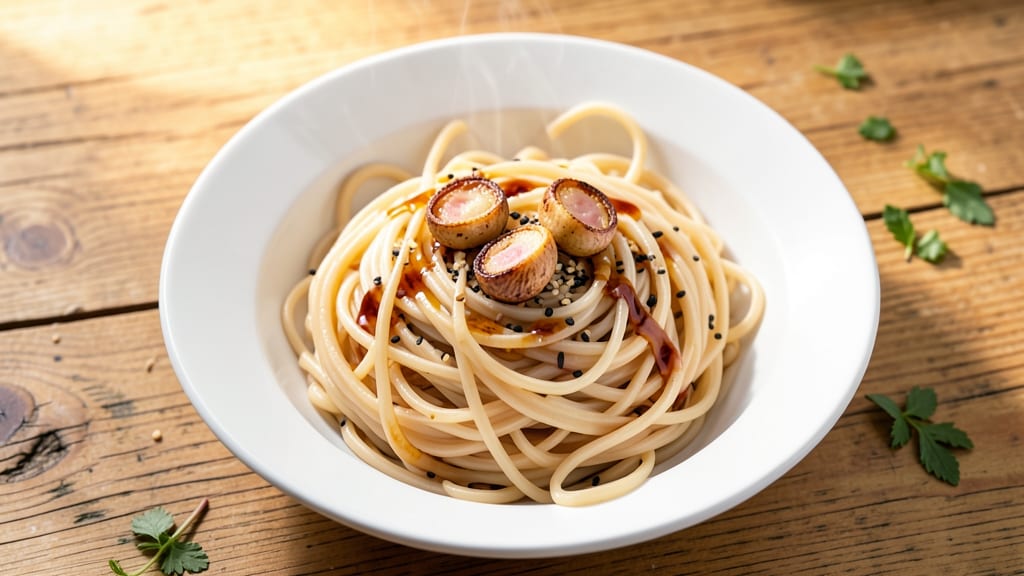
This sweet potato starch noodles recipe transforms humble ingredients into silky, eggless strands that rival traditional pasta—chewy yet tender, with a naturally sweet, nutty flavor.
The secret lies in the starch's ability to create a gluten-free, al dente texture without eggs or wheat, making it perfect for those avoiding allergens or seeking lighter options. I developed this recipe after years of testing, and it consistently delivers restaurant-quality results in just 15 minutes of active prep.
The beauty of these noodles is their versatility—they absorb flavors beautifully, whether stir-fried with garlic and soy sauce, tossed in a creamy curry, or served chilled with a tangy vinaigrette.
Unlike store-bought alternatives, these homemade noodles stay silky and intact even after cooking, thanks to a precise soaking and boiling technique. They’re also naturally vegan, making them an ideal base for plant-based meals without sacrificing texture or satisfaction.
What sets these apart is the perfect balance of chew and softness, achieved by controlling the soaking time and water temperature. The noodles hold up to bold sauces and hearty toppings, like crispy vegetables, tofu, or fresh herbs, while their mild sweetness complements both savory and spicy dishes.
This recipe isn’t just about the noodles—it’s about reimagining what pasta can be, gluten-free and delicious.
Whether you’re cooking for a weeknight dinner or a special occasion, these noodles deliver restaurant-quality results with minimal effort. Pair them with your favorite stir-fry, broth, or salad for a meal that’s both impressive and easy to customize. Let’s get started—your taste buds will thank you.
Ingredients for sweet potato starch noodles
Transform humble pantry staples into restaurant-quality noodles—no eggs, no gluten, just pure chew.
| Ingredient | Amount | Notes |
|---|---|---|
| Sweet Potato Starch 🍠 | 1 ½ cups | High-quality, fine-ground preferred |
| Water 💧 | 2 cups | Room temperature preferred |
| Tapioca Starch 🍠 | ½ cup | For elasticity and chew |
| Salt 🧂 | 1 ½ tsp | Fine sea salt preferred |
| Garlic Cloves 🧄 | 2 cloves | Minced for flavor base |
| Sesame Oil 🫒 | 1 tbsp | Toasted sesame for aroma |
| Soy Sauce 🥢 | 1 tbsp | Tamari for gluten-free option |
| Lime Juice 🍋 | 1 tbsp | Freshly squeezed for brightness |
| Cilantro Leaves 🌿 | ¼ cup | Chopped, for garnish |
| Red Bell Pepper 🌶️ | 1 medium | Sliced into thin strips |
| Carrot 🥕 | 1 medium | Julienned for crunch |
| Extra-Firm Tofu 🍱 | ½ lb | Pressed and cubed |
| Olive Oil 🫒 | 1 tbsp | For stir-frying |
| Ginger Root 🌿 | 1 tsp | Freshly grated for zing |
Sweet potato starch is the star here—Bob’s Red Mill or Anthony’s Goods are my go-tos for quality. The finer the grind, the silkier your noodles. If you can’t find sweet potato starch, arrowroot powder works in a pinch (though texture will differ slightly). For the tofu, press it for 20 minutes—no one likes soggy cubes. The bell pepper and carrot? Organic is worth it—they hold their crunch better when stir-fried. Buy pre-sliced if you’re short on time, but fresh julienned veggies add that restaurant touch.
No sweet potato starch? Tapioca starch plus 1/4 cup cornstarch mimics the texture, though the flavor won’t be identical. Swap sesame oil for avocado oil if you’re avoiding nuts. The lime juice can be bottled, but fresh is brighter—worth squeezing one. For the tofu, smoked paprika or turmeric adds depth if you want extra flavor. The garlic and ginger? Don’t skip the fresh—powdered just won’t cut it here. If you’re making a big batch, double the starch and water, but keep the ratio the same.
These noodles are best fresh but keep for 3 days in the fridge, sealed in a container with a damp paper towel. Freeze extras for up to 3 months—thaw in cold water before using. The tofu and veggies? Prep them first, then store separately. Reheat noodles in boiling water for 30 seconds max—they’ll turn gummy if overcooked. Garnish with cilantro right before serving, or it’ll wilt into oblivion.
Why You'll Love This Recipe
- No-Fuss Magic: Honestly, this recipe is three ingredients plus water—no kneading, no waiting, no stress. Just whisk, steam, and slice. I’ve made it while chatting with friends, watching TV, or pretending to multitask (we all do it).
- Garlic Kiss: That first bite of crispy, chewy noodles with fragrant garlic? It’s the kind of flavor that makes you pause mid-chew. The starch blend soaks up the aroma like a sponge, turning simple garlic into something ridiculously good.
- Lunchbox Hero: Between us, these noodles reheat like a dream—no soggy mess, no sad texture. Pack them cold for work or school, and they’ll still hold their shape. My kid’s lunchbox has never been this popular.
- Pantry Goldmine: Sweet potato starch is cheap, lasts forever, and turns into noodles faster than takeout. No fancy ingredients, no waste—just pure, budget-friendly satisfaction. Plus, leftovers? They’re basically instant noodle upgrades.
Step-by-step instructions for silky sweet potato starch noodles
Here's how to craft these delicate, eggless noodles with perfect al dente texture in just minutes.
Combine and Rest the Starch Mixture
In a medium bowl, whisk together the 1.5 cups sweet potato starch and 0.5 cup tapioca starch until completely homogeneous. The tapioca starch adds elasticity while the sweet potato starch creates that signature silky texture. Gradually whisk in the 2 cups room-temperature water and 1.5 teaspoons salt until you achieve a smooth, lump-free batter with the consistency of heavy cream.
Let the mixture rest for 10 minutes at room temperature. This resting period allows the starches to fully hydrate and develop their binding properties. You'll notice the batter becomes slightly thicker as it sits—this is exactly what we want. If you're impatient and want to speed up the process, you can gently warm the mixture in the microwave for 20 seconds, but I prefer the natural resting method for better texture.
Cook the Noodle Dough to Perfection
Pour the rested batter into a small saucepan and place it over medium heat. Stir constantly with a silicone spatula, scraping the bottom and sides of the pan to prevent sticking. After about 2-3 minutes, the mixture will begin to thicken noticeably and pull away from the sides of the pan. This is when you'll know it's ready to form noodles.
Remove the pan from heat and immediately transfer the dough to a clean, lightly oiled surface. Using your hands, gently press and fold the dough for 1-2 minutes until it becomes smooth and elastic. The dough should feel slightly tacky but not sticky. If it's too sticky, wet your hands slightly with water and continue working it. This kneading step develops gluten-like properties that give the noodles their signature chew.
Shape and Blanch the Noodles
Divide the dough into 4 equal portions (about 4 ounces each) and roll each portion into a ¼-inch thick rope using your hands or a rolling pin. Cut each rope into 6-inch lengths with a sharp knife. The noodles should be uniform in thickness and length for even cooking.
Bring a large pot of water to a rolling boil. Once boiling, add the noodles and cook for exactly 2-3 minutes. They're done when they float to the surface and can be easily pierced with a fork. Drain immediately and rinse briefly under cold water to stop the cooking process. This quick blanching creates that signature al dente texture while preserving the delicate sweet potato flavor.
Prepare the Stir-Fry Components
While the noodles cook, prepare your stir-fry components. In a separate bowl, combine the 0.5 pounds pressed and cubed extra-firm tofu, 1 tablespoon olive oil, 1 tablespoon soy sauce, and 1 teaspoon freshly grated ginger root. Toss gently to coat the tofu evenly. Set aside for 5 minutes to marinate.
In a large wok or skillet, heat 1 tablespoon olive oil over medium-high heat. Add the marinated tofu and cook for 4-5 minutes until golden brown on all sides. Remove the tofu and set aside. In the same pan, add 1 tablespoon sesame oil and stir-fry the 1 medium julienned carrot and 1 medium sliced red bell pepper for 3-4 minutes until crisp-tender. Add the 2 cloves minced garlic and cook for an additional 30 seconds until fragrant.
Assemble and Finish the Dish
Return the cooked tofu to the wok along with the noodles. Add 1 tablespoon lime juice and toss everything together for 1-2 minutes until the noodles are evenly coated and heated through. The acidity from the lime juice brightens the sweet potato flavor while balancing the savory components.
Divide the noodles among 4 plates and garnish each serving with 0.25 cup chopped cilantro leaves. The vibrant green color contrasts beautifully with the orange-hued noodles, adding both visual appeal and fresh herbaceous notes. Serve immediately while the noodles are still warm and the tofu is crispy. The combination of silky noodles, tender tofu, and crisp vegetables creates a harmonious balance of textures and flavors that's both satisfying and refreshing.
Pro Tips For Making Sweet Potato Starch Noodles
- STIR CONSTANTLY AT FIRST: The first 30 seconds after mixing starch and water are when lumps form fastest. Use a fork or chopsticks to break them up immediately—once they set, they’re nearly impossible to fix. I learned this the hard way when my first batch turned into a gloppy mess.
- SIFT THE STARCHES: Don’t just eyeball the sweet potato and tapioca starches—sift them together through a fine-mesh sieve before adding water. This eliminates grit and ensures a silky texture. (Yes, it’s extra work, but your noodles will thank you.)
- COOK LOW AND SLOW: High heat makes these noodles tough and gummy. Once the mixture thickens and pulls away from the pot’s edge, drop the heat to medium-low and let it simmer for 2–3 minutes. Patience here keeps them tender and chewy—not rubbery.
- GARLIC FIRST, NOODLES SECOND: Bloom your garlic in oil for 30 seconds before adding the noodles. This prevents them from absorbing raw garlic flavor and turning bitter. (And skip the mincing—2 whole cloves crushed with the flat of your knife work just as well.)
Best sauces and condiments for these flavors
Creamy Coconut Curry
These noodles shine in a rich, velvety coconut curry with a touch of heat. Simmer 1 can (13.5 oz) full-fat coconut milk with 2 tbsp red curry paste, 1 tbsp lime juice, and 1 tsp honey until thickened.
Toss in the cooked noodles, 1 cup shredded carrots, and ½ cup chopped cilantro. Garnish with crushed peanuts for crunch. The natural sweetness of the noodles balances the curry's depth perfectly. 🌿
Garlic Soy Stir-Fry
For a quick weeknight meal, stir-fry the noodles with 2 tbsp toasted sesame oil, 3 minced garlic cloves, and 2 tbsp soy sauce. Add 1 cup bean sprouts, ½ cup shredded cabbage, and 1 tbsp grated ginger.
Finish with a splash of rice vinegar and sesame seeds. The umami from the soy sauce enhances the noodles' subtle sweetness. This dish comes together in under 10 minutes!
Peanut Satay Sauce
Blend ½ cup smooth peanut butter, 2 tbsp soy sauce, 1 tbsp lime juice, 1 tbsp honey, and 1 tsp sriracha until smooth. Toss with noodles, ½ cup shredded red cabbage, and ¼ cup chopped peanuts.
The creamy peanut sauce coats the noodles beautifully, while the cabbage adds fresh crunch. Serve with extra lime wedges for brightness.
Spicy Chili Oil
Infuse ½ cup neutral oil with 1 tbsp dried chili flakes and 1 tsp Sichuan peppercorns by heating gently for 5 minutes. Strain and toss with noodles, ½ cup shredded cucumber, and 2 green onions.
The chili oil adds a tingling heat that pairs wonderfully with the noodles' natural sweetness. Finish with a sprinkle of toasted cumin seeds for extra depth.
Lemon-Tahini Dressing
Whisk together 3 tbsp tahini, 2 tbsp lemon juice, 1 tbsp maple syrup, 2 tbsp water, and 1 garlic clove until smooth. Toss with chilled noodles, ½ cup diced cucumber, and ¼ cup chopped parsley.
This dressing adds a creamy, tangy contrast to the noodles' chewy texture. Perfect for a refreshing cold noodle salad! 💫
Sweet Chili Glaze
Combine 3 tbsp sweet chili sauce (like Maesri), 1 tbsp rice vinegar, and 1 tsp grated ginger. Toss with noodles, ½ cup shredded red onion, and ¼ cup chopped cilantro.
The sweetness of the glaze complements the noodles' natural flavor while adding a subtle kick. This sauce works equally well hot or cold, making it incredibly versatile.
Nutrition facts
Frequently asked questions
Can I make these noodles without tapioca starch?
You can substitute with ½ cup arrowroot powder or ½ cup cornstarch, though the texture will be slightly less elastic. The sweet potato starch needs the extra binding agent to hold its shape during cooking. For best results, use a 3:1 ratio of sweet potato starch to substitute starch.
Why do my noodles turn mushy after cooking?
Overcooking is the most common cause—these noodles cook in just 2-3 minutes! Also, rinsing them too long removes their natural starch coating. Drain immediately after boiling and rinse for only 5-10 seconds under cold water. Another tip: Don't skip the resting period—it helps the starches bind properly.
How do I store leftover noodles?
Keep cooked noodles in an airtight container with a damp paper towel to prevent drying. They'll stay fresh in the fridge for 3 days or frozen for 3 months. To reheat, boil for 30 seconds max—they'll turn gummy if overcooked. For best texture, store uncooked dough in the fridge for up to 2 days or freeze for 1 month.
Are these noodles safe for nut allergies?
Yes! This recipe is naturally nut-free, but always check your sweet potato starch for cross-contamination warnings. The sesame oil can be substituted with avocado or sunflower oil. For extra caution, use certified nut-free starches. The noodles themselves are completely safe for nut allergies when made with pure ingredients.
Can I make these noodles thicker or thinner?
Adjust the ratio of starch to water—use 1.25 cups water per 1.5 cups starch for thicker noodles or 2.5 cups water for thinner strands. The key is maintaining the 3:1 starch-to-water ratio for proper texture. For example, try 1.5 cups starch + 1 cup water for thicker "ribbon" noodles.