Side Dishes
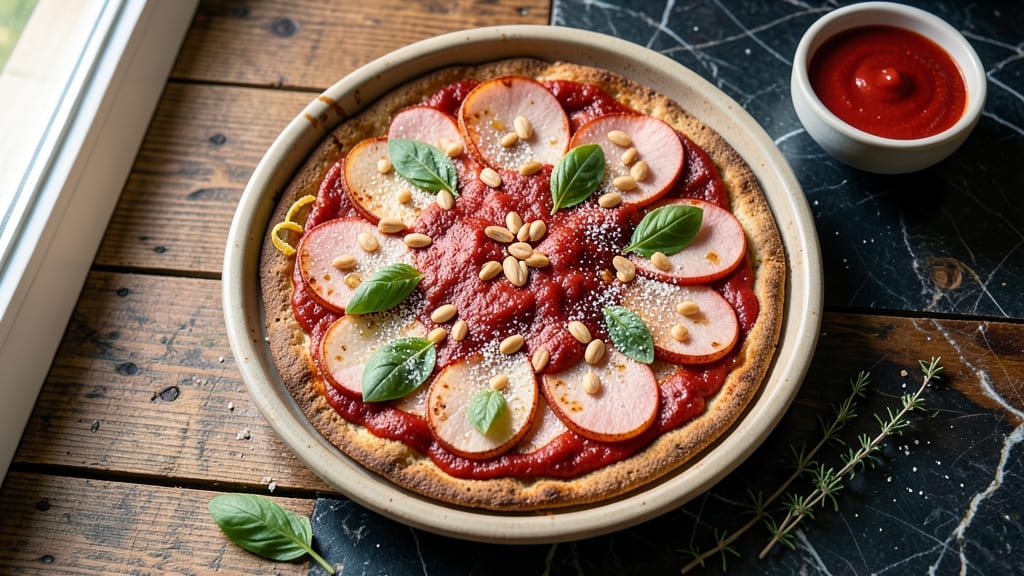
This vegan potato pizza recipe redefines comfort food with a crispy crust and rich, cheesy plant-based topping that even non-vegans will crave. The secret lies in a simple yet sturdy crust made from chickpea flour—no yeast, no dairy, no compromise on texture.
I developed this after years of perfecting vegan baking, and the result is a pizza that delivers the satisfying crunch and melty goodness you’d expect from a traditional pie, but entirely plant-powered.
The beauty of this recipe is its flexibility: you can use store-bought vegan crust or make your own from scratch with just five ingredients.
The star of the show is the cheesy potato topping, where roasted potatoes replace traditional cheese, creating a velvety, savory layer that holds up beautifully in the oven.
The crust stays crispy at the edges while remaining tender inside, a balance that’s surprisingly easy to achieve with the right technique.
What makes this pizza truly special is how it transforms humble ingredients into something extraordinary. The roasted potatoes caramelize into sweet, golden bites, while the vegan cheese alternative melts into a creamy blanket that clings to every crispy bite.
It’s the kind of dish that feels indulgent yet guilt-free, perfect for meal prep or a satisfying weeknight dinner when you crave something hearty.
Best of all, this recipe proves vegan cooking doesn’t mean sacrificing flavor or texture. The crust holds its shape, the toppings stay put, and every bite delivers that perfect mix of crispy, cheesy, and potatoey goodness. Ready to make pizza night plant-based and unforgettable? Let’s get started.
Ingredients for vegan potato pizza
Five ingredients transform into a crispy crust, while potatoes and vegan cheese create the cheesiest topping you'll ever crave.
| Ingredient | Amount | Notes |
|---|---|---|
| Chickpea Flour 🌾 | 1 ½ cups | High-protein for sturdy crust |
| Water 💧 | ¾ cup | Room temperature preferred |
| Extra-Virgin Olive Oil 🫒 | ¼ cup | For crispy crust edges |
| Nutritional Yeast 🧀 | ½ cup | For cheesy flavor base |
| Salt 🧂 | 1 ½ tsp | Diamond Crystal preferred |
| Russet Potatoes 🥔 | 2 lbs | Yukon Gold works too |
| Extra-Virgin Olive Oil 🫒 | ¼ cup | For roasting potatoes |
| Yellow Onion 🧅 | 1 whole | Medium size preferred |
| Garlic Cloves 🧄 | 4 cloves | Freshly minced |
| Vegan Mozzarella Shreds 🧀 | 1 ½ cups | Miyoko's brand recommended |
| Tomato Paste 🍅 | ½ cup | San Marzano preferred |
| Dried Oregano 🍃 | 1 tsp | Mexican oregano ideal |
| Red Pepper Flakes 🌶️ | ½ tsp | Adjust for heat preference |
| Fresh Basil Leaves 🌿 | ¼ cup | Chopped for garnish |
The chickpea flour is the magic here—Bob's Red Mill or Anthony's Goods are my go-tos for the best texture. If you can't find chickpea flour, garbanzo bean flour works in a pinch, but the crust might be slightly denser. The potatoes should be Russet or Yukon Gold—the starchier, the better for that perfect caramelization. I always roast mine at 425°F until they're tender and golden, then mash them until smooth for that velvety topping texture. The vegan mozzarella? Miyoko's melts best, but Violife is a solid backup if you're in a hurry.
No chickpea flour? Substitute 1 cup all-purpose flour plus 1/2 cup chickpea flour for a lighter crust, though texture will differ slightly. Want to skip the vegan cheese? Blend 1 cup cashews plus 1 tbsp nutritional yeast plus 2 tbsp water for a rich, creamy alternative. The tomato paste can be swapped for sun-dried tomato pesto if you're feeling fancy, but the acidity helps balance the richness of the potatoes. For the onion, red onion adds sweetness, while yellow gives more bite—use whatever you've got. Fresh basil is ideal, but dried basil at 1/4 the amount works in a bind.
Roasted potatoes keep for 3 days in the fridge, so make a double batch—they're perfect for salads or mash too. The crust dough can be prepped 1 day ahead and stored in the fridge, but don't roll it out until you're ready to bake. For maximum crispiness, preheat your pizza stone or baking sheet for 20 minutes before adding the dough. Leftovers? The crust reheats beautifully in a 350°F oven for 5-7 minutes, while the topping can be stored separately and reheated with a splash of water to restore creaminess.
Why You'll Love This Recipe
- Pantry Magic: I swear by this dough—just chickpea flour, water, and olive oil. No yeast, no kneading, no waiting. Honestly, it’s the kind of recipe that makes me feel like a genius when I pull it off.
- Umami Bomb: That nutritional yeast isn’t just a garnish—it’s the secret weapon. The moment the crust hits the oven, it develops this deep, cheesy, slightly smoky flavor that’ll have you reaching for seconds without even thinking.
- Weeknight Hero: Between us, this is my go-to when I’ve got friends over last-minute or the kids are begging for pizza but I’m fresh out of dough. It bakes fast, feeds a crowd, and no one ever asks what’s in it.
Step-by-step instructions for vegan potato pizza
This pizza delivers a crispy, golden crust with a cheesy plant-based topping—no dairy, no compromise on flavor.
Prepare the Crust Base
In a large bowl, whisk together the 1.5 cups chickpea flour, 0.5 cup nutritional yeast, and 1.5 teaspoons salt. Gradually add the 0.75 cup water while whisking until smooth. Slowly drizzle in the 0.25 cup extra-virgin olive oil until fully combined—this creates a thick, elastic batter.
Let the batter rest for 10 minutes at room temperature. This hydration step is crucial—it allows the chickpea flour to fully absorb the liquid, creating a sturdy crust that won't crack during baking. For best results, use room-temperature ingredients to prevent lumps.
Roast the Potato Topping
Preheat your oven to 425°F. Peel and dice the 2 lbs russet potatoes into ½-inch cubes. Toss them with 0.25 cup extra-virgin olive oil, 1 teaspoon dried oregano, and 0.5 teaspoon red pepper flakes until evenly coated.
Spread the potatoes on a parchment-lined baking sheet in a single layer. Roast for 25-30 minutes, stirring once halfway, until golden brown and fork-tender. The potatoes should be caramelized with crispy edges—this texture is what gives your pizza that satisfying bite.
Build the Pizza Base
Transfer the rested batter to a 12-inch pizza pan or baking sheet, spreading it into a ¼-inch thick circle. Use a spatula to create a ½-inch thick raised edge around the perimeter—this prevents sauce from leaking out during baking.
Bake the crust at 400°F for 12-15 minutes until the edges are deep golden brown and the center feels firm to the touch. While it bakes, mix the 0.5 cup tomato paste with 1 minced garlic clove and 1 teaspoon dried oregano for the sauce.
Assemble and Bake the Pizza
Spread the tomato mixture evenly over the baked crust. Sprinkle the roasted potatoes in a single layer, then distribute the 1.5 cups vegan mozzarella shreds evenly. Bake for an additional 8-10 minutes at 400°F until the cheese is bubbly and golden on top.
Remove from the oven and let rest for 2 minutes—this allows the cheese to set slightly. Garnish with 0.25 cup chopped fresh basil leaves and an extra sprinkle of red pepper flakes for a pop of color and freshness. The crust should be crispy at the edges while remaining tender underneath.
Slice and Serve Immediately
Use a sharp pizza cutter to slice into 8 equal wedges. Serve while warm, as the crust softens quickly once cut. The combination of crispy chickpea crust, caramelized potatoes, and melty vegan cheese creates a satisfying texture contrast with every bite.
For maximum crispiness, transfer any leftover slices to a wire rack for 5 minutes before storing. This pizza keeps well in the refrigerator for 3 days, though I promise it won't last that long!
Pro Tips For Making Vegan Potato Pizza
- Whisk Like You Mean It: Chickpea flour loves air—whisk it with water until you’ve got a smooth, lump-free batter that’s thicker than pancake syrup but still pourable. I used to rush this, and my crusts turned out dense and chewy. Take the extra 30 seconds; your pizza base will thank you with a lighter, more tender bite.
- Salt the Water: Dissolve the salt in the water before mixing it with the chickpea flour—this ensures even distribution and prevents clumpy, bland spots in your crust. I learned this the hard way after tasting a dry, uneven bite in the middle of my first attempt.
- Preheat That Pan: Cast iron or a heavy skillet needs to scream hot before pouring the batter—think 375°F (190°C) for at least 10 minutes. A cold pan = soggy edges and a crust that absorbs oil like a sponge. Trust me, your future self will curse you if you skip this.
- Press and Release: After pouring the batter, use a greased spatula to press it into an even layer, then immediately lift the spatula and let the edges drip back into the pan. This creates a slightly thicker, crispier crust in spots—just like a real pizza. (Yes, it looks messy, but it works.)
Essential equipment for perfect results
Pizza Stone or Pan
Invest in a pizza stone or cast iron skillet—these are my top recommendations for achieving that perfect crispy crust. A 12-inch pizza stone (like the Ooni Steel Pizza Stone) conducts heat evenly and mimics a wood-fired oven, giving you a crispy edge and tender center.
If you prefer something more versatile, a 10-inch Lodge cast iron skillet works beautifully too. Preheat your stone or pan for 20 minutes before baking to ensure even heat distribution. 🔥
Rolling Pin & Dough Scraper
A wooden rolling pin (like the OXO Good Grips) helps create an even crust without tearing the delicate chickpea batter. For thicker edges, I use a dough scraper (such as Nordic Ware’s) to lift and shape the crust into a raised border.
This prevents sauce from leaking out during baking and gives your pizza that classic look. A pizza peel (if using a stone) makes transferring the pizza in and out of the oven effortless.
Baking Sheet & Parchment
For roasting the potatoes, a rimmed baking sheet (preferably half-sheet size) ensures even browning. Line it with parchment paper for easy cleanup—no scrubbing required! If you’re short on space, a wire cooling rack doubles as a makeshift baking sheet when lined with parchment.
Pro tip: Use light-colored parchment to avoid hot spots that can burn the potatoes unevenly.
Mixing Bowls & Whisk
A set of nested mixing bowls (like Pyrex glass bowls) keeps ingredients organized and makes prep a breeze. I use a silicon whisk (such as OXO’s) to blend the chickpea batter smoothly—it’s gentle on the bowl and prevents splatters.
For the tomato sauce, a small ramikin or sauce bowl helps portion it evenly over the crust. 💫
Sharp Pizza Cutter
Never use a dull knife to slice your pizza—it crushes the crust and makes uneven cuts. A sharp pizza cutter (like Mercer Culinary’s) glides through the crust effortlessly, giving you clean, professional-looking slices.
If you don’t have one, a serrated knife or pizza wheel works in a pinch. For extra flair, use a pizza rocker (a curved blade) to create those iconic curved slices.
Nutrition facts
Frequently asked questions
Can I use store-bought vegan crust instead of making my own chickpea dough?
This recipe works beautifully with store-bought vegan crusts like Caulipower or Udi's. Just follow the package instructions for baking the crust first, then top with your roasted potatoes and vegan cheese. The key is to pre-bake the crust at 400°F for 8-10 minutes before adding toppings to prevent a soggy base.
How do I prevent the crust from getting soggy?
Prevent sogginess by baking the crust completely before adding toppings. For the chickpea dough, bake at 400°F for 12-15 minutes until golden brown and firm. If using store-bought crust, follow the package baking time. Always let the crust cool for 2 minutes after baking before adding sauce and toppings. This gives the surface time to set slightly.
What's the best way to make the potato topping extra creamy?
For ultra-creamy potato topping, mash the roasted potatoes thoroughly before mixing with vegan cheese. Add 1 tablespoon vegan butter or olive oil to the mashed potatoes for extra richness. You can also blend in 2 tablespoons unsweetened plant-based milk to create a smoother, more spreadable consistency. This works especially well if your vegan cheese is on the firmer side.
Can I make this pizza ahead of time?
Yes! Assemble the pizza (without baking) and refrigerate for up to 24 hours. When ready to bake, let it sit at room temperature for 30 minutes before baking at 400°F for 15-18 minutes (covered with foil for the first 10 minutes to prevent over-browning). For leftovers, reheat slices in a 350°F oven for 5-7 minutes on a wire rack to restore crispiness.
What are some great vegan cheese alternatives if I don't have Miyoko's?
Try Violife Just Like Mozzarella for meltiness, Follow Your Heart Vegan Parmesan for sprinkling, or homemade cashew cheese (blend 1 cup soaked cashews + 2 tbsp nutritional yeast + 3 tbsp water). For a cheesy flavor without melting, use nutritional yeast (sprinkle 2 tbsp directly on the potatoes before baking). Each option gives a different texture—experiment to find your favorite!