
Side Dishes
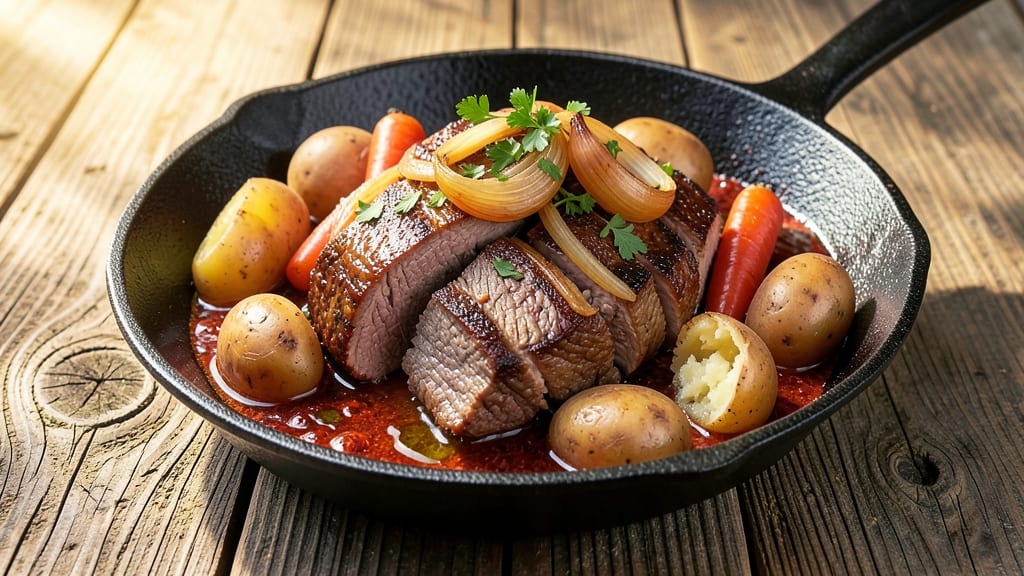
This Austrian potato goulash recipe brings hearty, smoky comfort to your table with tender beef, fluffy potatoes, and deep paprika flavors that define Alpine cuisine. The secret lies in slow-cooked meat and vegetables that develop rich, caramelized notes as they simmer in a savory broth—perfect for chilly evenings.
What sets this dish apart is the balance of earthy paprika, fresh herbs, and crispy edges on the potatoes, creating a side that stands up as a main or complements roasted meats beautifully.
The recipe begins with browning beef in a Dutch oven to build deep flavor, then simmers with onions, garlic, and aromatic vegetables until tender. Potatoes are added later to prevent them from turning mushy, ensuring each bite delivers both hearty texture and complex taste.
This method transforms simple ingredients into a restaurant-worthy stew that feels like a warm embrace in a bowl.
By the time you serve this goulash, you'll have a dish that's rich yet balanced—smoky from the paprika, tender from slow cooking, and satisfying in every spoonful.
The aroma alone will draw everyone to the table, while the combination of flavors makes it a standout for family dinners or holiday gatherings. Pair it with crusty dark bread or a dollop of sour cream for the full Austrian experience.
Ready in about an hour, this recipe delivers professional results without requiring advanced techniques. The key is patience—letting the flavors meld and the meat become fork-tender.
Whether you're serving it as a side or a hearty main, this goulash is a testament to how simple ingredients can create something truly special when cooked with care.
Ingredients for austrian potato goulash
These hearty ingredients transform into a rich, smoky goulash that balances Alpine flavors perfectly.
| Ingredient | Amount | Notes |
|---|---|---|
| Beef Chuck Roast 🥩 | 2 lb | Pre-cubed or cut into 1.5-inch pieces |
| Yellow Onions 🧅 | 2 whole | Medium, thinly sliced |
| Garlic Cloves 🧄 | 4 cloves | Peeled, minced |
| Carrots 🥕 | 3 medium | Peeled, sliced into 1/2-inch rounds |
| Russet Potatoes 🥔 | 2 lb | Peeled, cut into 1-inch cubes |
| Smoked Paprika 🌶️ | 2 tbsp | Sweet or hot variety |
| Sweet Paprika 🌶️ | 1 tbsp | For balanced flavor |
| Ground Black Pepper 🌶️ | 1 tsp | Freshly ground preferred |
| Salt 🧂 | 1 ½ tsp | Kosher or sea salt |
| Fresh Thyme Leaves 🌿 | ½ cup | Or 1 tbsp dried thyme |
| Fresh Bay Leaves 🍃 | 2 whole | Removed before serving |
| Beef Broth 💧 | 4 cups | Low-sodium preferred |
| Tomato Paste 🍅 | 2 tbsp | Smooth, no sugar added |
| Extra-Virgin Olive Oil 🫒 | 2 tbsp | For browning beef |
The beef is the foundation—chuck roast delivers that signature tender, fall-apart texture. Costco or Whole Foods carry pre-cubed chuck, saving you time, but a whole roast works too if you've got a meat grinder. Look for good marbling and avoid lean cuts. For the potatoes, Russet holds up best to long cooking—they should be peeled and cut evenly to ensure consistent doneness. Fresh thyme and bay leaves add depth, but dried will work in a pinch (use half the amount). The paprika blend is critical: smoked and sweet together create that authentic Austrian profile.
No smoked paprika? Substitute with 1 tbsp regular paprika plus 1/2 tsp liquid smoke. Fresh thyme unavailable? Dried thyme at one-third the amount keeps the flavor. For the beef broth, low-sodium options prevent over-salting, but you can always adjust. The carrots can be swapped for celery or parsnips if preferred—just keep the quantity similar. Tomato paste is non-negotiable for that rich base, but if you're avoiding it, 1 cup crushed tomatoes works in a bind. The olive oil matters here—use something with a high smoke point for browning.
This goulash tastes even better the next day as flavors meld. Store in an airtight container in the fridge for up to 5 days or freeze for 3 months. For meal prep, portion into individual containers—perfect for lunches. If you're serving a crowd, double the recipe; it reheats beautifully. The potatoes will crisp up slightly when reheated, adding another layer of texture. Keep the bay leaves in during cooking but remove before serving—they're not meant to be eaten.
Why You'll Love This Recipe
- One-Pot Magic: I swear by this recipe when I’m too tired to scrub pots. Toss everything—chuck roast, onions, even the potatoes—into one deep skillet, and let it simmer. The beef practically falls apart on its own, while the potatoes soak up all that rich, paprika-spiced broth.
- Deep, Smoky Richness: That slow-cooked beef with tender potatoes? It’s like a hug in a bowl. The beef chuck gets so fork-tender, and the carrots caramelize into sweet little bursts—no fancy techniques, just time and patience. (Yes, even on a Tuesday night.)
- Leftovers That Beg for More: Between us, this dish tastes better the next day. The flavors meld into something heartier, and I’ve reheated it for lunches all week without a single complaint. My freezer’s always stocked with portions because it’s that good.
- Budget-Friendly Feast: A chuck roast and a few veggies stretch to feed four (or five if someone’s extra hungry). The potatoes bulk it up, so you’re not just paying for meat—you’re getting a full, satisfying meal that won’t break the bank. Honestly, it’s my go-to when groceries need to last.
Step-by-step instructions for Austrian potato goulash
This hearty stew delivers deep smoky flavors and tender meat through precise technique and layered seasoning.
Brown the Beef Chuck Roast for Maximum Flavor
Heat a large Dutch oven over medium-high heat and add the 2 tablespoons extra-virgin olive oil. Once shimmering, add the 2 lb beef chuck roast in batches, working in batches if needed so the pan doesn't get crowded. Brown the beef on all sides for 3-4 minutes per side until deeply caramelized and reaching an internal temperature of 145°F.
Here's the thing—this browning step creates the Maillard reaction that forms the foundation of your goulash's rich flavor. Don't rush it; you'll know it's ready when the beef releases easily from the pan. Remove the beef and set aside on a plate, leaving all the browned bits in the pot.
Develop the Aromatic Base with Onions and Carrots
In the same Dutch oven, add the 2 whole yellow onions and 3 medium carrots sliced as specified. Cook for 5-6 minutes, stirring occasionally, until the onions soften and the carrots begin to caramelize. You want them to develop some color but not burn.
Add the 4 cloves minced garlic and cook for another 30 seconds until fragrant. This step builds the flavor foundation—don't skip it. The onions should be translucent with just a hint of golden color at the edges.
Build the Smoky Paprika Spice Blend
Lower the heat to medium-low and stir in the 2 tablespoons smoked paprika and 1 tablespoon sweet paprika. Cook for 1 minute to toast the spices, which deepens their flavor and removes any raw taste. This is where the signature smoky character develops.
Add the 2 tablespoons tomato paste and cook for another 1 minute, stirring constantly. The paste will darken slightly and create a rich, slightly sweet base for your stew. This step prevents the paprika from settling at the bottom and ensures even distribution throughout the goulash.
Simmer the Goulash with Potatoes and Herbs
Return the beef to the pot and pour in the 4 cups beef broth. Stir in the 1.5 teaspoons salt, 1 teaspoon ground black pepper, 0.5 cup fresh thyme leaves, and 2 whole fresh bay leaves. Bring to a gentle boil, then reduce heat to low and add the 2 lb russet potatoes.
Simmer uncovered for 1 hour to 1 hour 15 minutes until the potatoes are fork-tender and the beef is easily shreddable. You'll know it's ready when the potatoes collapse under gentle pressure and the beef pulls apart with a fork. The liquid should have reduced slightly but still coat the vegetables.
Adjust Consistency and Serve Warm
Remove the 2 whole fresh bay leaves before serving. Taste and adjust seasoning if needed—you might need a touch more salt or pepper depending on your broth. If the goulash is too thick, add 2-4 tablespoons water to reach your desired consistency.
Serve immediately with crusty bread or over egg noodles. The beef should be tender enough to shred easily with a fork, the potatoes perfectly cooked but still holding their shape, and the broth rich with smoky paprika flavor. This goulash keeps well in the refrigerator for up to 4 days, making it perfect for meal prep.
Pro Tips For Making Austrian Potato Goulash
- SEAR THE ROAST LOW AND SLOW: Start with a screaming-hot pan, but once you add the chuck roast, immediately drop the heat to medium-low. I learned this the hard way—charred edges hide under the sauce, and you end up with a tough, bitter bite. Let it brown evenly, turning once, and don’t rush it. The goal is a deep, caramelized crust without cooking the meat through too fast.
- CHOP ONIONS LIKE A CAB DRIVER: Dice those yellow onions into ¼-inch pieces—no smaller, no larger. Too fine, and they turn to mush; too big, and they stay stubbornly al dente. My grandmother swore by this, and she was right: even cooking matters more than you’d think. If you’re impatient like me, pulse them in the food processor for consistency, but don’t skip the final chop with a knife to release their juices properly.
- POTATOES FIRST, NOT LAST: Add the Russet potatoes to the pot before the beef is fully tender—about 45 minutes into cooking. They’ll soak up flavor like sponges and avoid turning to glue. I used to toss them in at the end, and they’d either overcook into a sad purée or stay raw. This way, they get that perfect fork-tender bite while the stew finishes.
- SKIP THE PRE-CUT CARROTS: Buy whole carrots and cut them into ½-inch chunks yourself—no store-bought bags here. Pre-cut carrots bleed color and texture into the package, and they’re often uneven. A sharp knife and 2 minutes of prep guarantee they’ll stay crisp-tender, not mushy. (Yes, even if you’re impatient like me—trust the process.)
Creative variations of this recipe
Hungarian-Inspired Twist
Swap the beef for pork shoulder (about 2 lbs) and add ½ cup sauerkraut during the final 15 minutes of cooking. The tangy sauerkraut balances the smoky paprika beautifully, creating a dish that bridges Austrian and Hungarian traditions.
Use hot paprika instead of sweet for an extra kick—about 1 tbsp extra—and finish with a sprinkle of fresh dill for brightness. 🌶️
Vegetarian Adaptation
Replace the beef with extra-firm tofu (pressed and cubed) or mushrooms (cremini or portobello, sliced). Sauté the mushrooms first in 1 tbsp olive oil for 5 minutes until golden, then proceed with the recipe. Boost umami with 1 tbsp soy sauce or 1 tsp miso paste when adding the broth.
For protein, stir in ½ cup cooked lentils during the last 30 minutes of simmering. The potatoes will soak up all the rich flavors, making this version hearty and satisfying. 🌱
Creamy Sour Cream Finish
Stir in ½ cup sour cream during the last 10 minutes of cooking to create a luxurious, velvety texture. This Austrian-inspired upgrade adds tangy richness without overpowering the smoky paprika.
For extra decadence, top each serving with a dollop of crème fraîche and a sprinkle of fresh chives. Serve with dark rye bread for the full Alpine experience. 🥛
Spiced Apple Variation
Add 1 medium apple (peeled, cored, and diced) along with the carrots. Include ½ tsp cinnamon and ¼ tsp nutmeg when toasting the paprika for a warm, slightly sweet contrast. The apples soften during cooking, adding natural sweetness that pairs perfectly with the savory beef.
This variation works especially well for fall gatherings and adds a unique twist to the classic recipe. 🍎
Instant Pot Shortcut
For a quicker version, brown the beef in a skillet first, then transfer everything to an Instant Pot. Cook on high pressure for 20 minutes, then release pressure naturally. Add the potatoes and simmer on low heat for 10 minutes until tender.
This method cuts cooking time by nearly half while keeping all the deep, smoky flavors intact. Perfect for busy weeknights! ⏱️
Nutrition facts
Frequently asked questions
Can I use pork instead of beef for this Austrian potato goulash?
Pork shoulder works beautifully and adds a slightly sweeter flavor profile. For best results, cut it into 1.5-inch cubes and brown it thoroughly before simmering. The cooking time remains the same, but pork may release more fat, so skim excess during the process. This variation actually bridges Austrian and Hungarian traditions.
Why do the potatoes turn mushy in my goulash?
Overcooking is the most common culprit. Potatoes should simmer for 45-60 minutes after the beef goes in—any longer and they'll break down completely. For extra insurance, add them 15 minutes before the beef is fully tender. Also ensure they're cut evenly (1-inch cubes) so they cook uniformly.
How can I make this goulash spicier?
Boost the heat by using hot paprika instead of sweet (or a mix of both) and adding ½ teaspoon cayenne pepper when toasting the spices. For extra kick, stir in 1-2 tablespoons chopped fresh chili peppers during the final 10 minutes of cooking. Always taste as you go—you can adjust to preference.
Can I prepare this goulash ahead of time?
This dish actually tastes better the next day as flavors meld! Store in an airtight container in the fridge for up to 5 days or freeze for 3 months. Reheat gently on the stove with a splash of water or broth to restore moisture. The potatoes may crisp slightly when reheated, which adds delicious texture.
What's the best way to serve leftover goulash?
Transform leftovers into goulash-stuffed baked potatoes or serve over egg noodles for a comforting meal. For extra richness, top with a dollop of sour cream and fresh herbs. The goulash also makes excellent sandwiches on crusty bread with a side of pickles for acidity.