Side Dishes
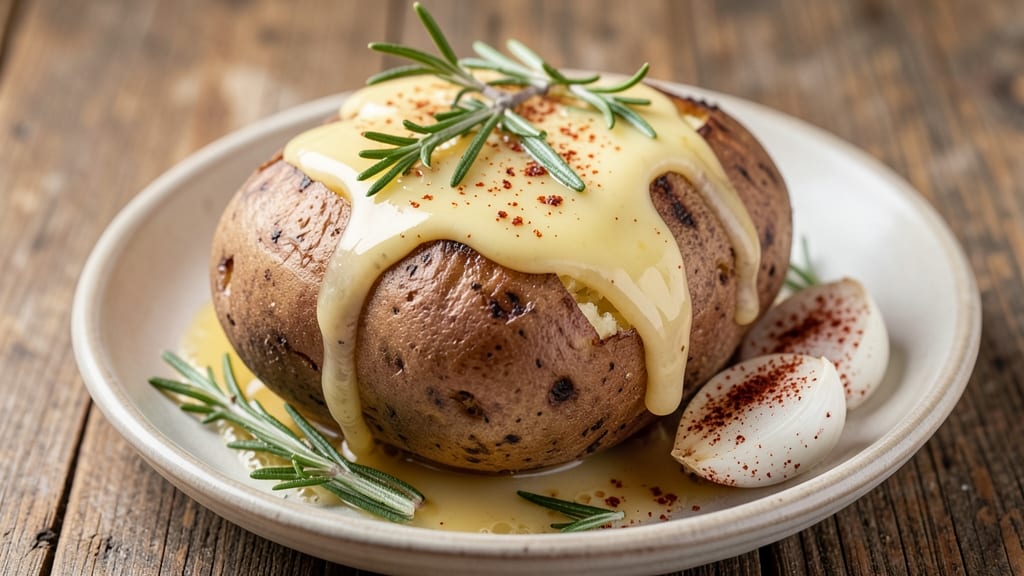
This seasonal baked potato recipe is the story of seasons transformed into buttery, savory magic—perfect for any meal of the year. 💛 The secret lies in the baking technique: wrapping potatoes in foil ensures crispy skins and fluffy interiors, while the right seasoning blend elevates simple toppings into gourmet masterpieces.
Whether you're hosting a game day or craving a cozy solo dinner, this recipe adapts effortlessly to global flavors and seasonal produce.
The beauty of this baked potato recipe is its flexibility—start with classic sour cream and chives, then explore modern twists like miso-carrot or chili-lime butter. I’ve perfected the timing so you can bake multiple potatoes simultaneously, ensuring everyone gets their perfect portion.
The key is patience: baking at 400°F for 60-75 minutes (depending on size) guarantees tender, never gummy potatoes ready for any topping you dream up.
What makes this recipe truly special is how it celebrates seasonal ingredients. In summer, roasted garlic and herb butter shine; in winter, smoky paprika and melted cheddar create comfort in every bite. The foil-wrapped method locks in moisture while allowing the skins to develop that satisfying crispness—no peeling required.
This isn’t just a side dish; it’s the star of your plate, adaptable for holidays, weeknights, or even a picnic.
Once baked, the real fun begins with toppings. Load them up with global flavors—Japanese miso, Mexican-style sour cream, or classic bacon and green onions—or keep it simple with a dollop of butter and sea salt. The possibilities are endless, and the results are always impressive. Let’s get baking!
Ingredients for baked potato recipe story of seasons
Four russets and a handful of seasonal spices transform simple potatoes into year-round comfort.
| Ingredient | Amount | Notes |
|---|---|---|
| Russet Potatoes 🥔 | 4 whole | Medium size, 12-15 oz each |
| Unsalted Butter 🧈 | ½ cup | Cold, cut into 12 pieces |
| Sea Salt 🧂 | 2 tsp | Diamond Crystal preferred |
| Fresh Rosemary 🌿 | ¼ cup | Chopped, stems removed |
| Garlic Cloves 🧄 | 4 cloves | Minced, fresh preferred |
| Smoked Paprika 🌶️ | 1 tsp | For seasonal depth |
| Ground Black Pepper 🌶️ | ½ tsp | Freshly cracked |
| Sour Cream 🥛 | 1 cup | Full-fat for creaminess |
| Fresh Chives 🌱 | ¼ cup | Finely chopped |
| Sharp Cheddar Cheese 🧀 | 1 cup | Shredded, aged 6+ months |
| Crispy Bacon 🥓 | ½ cup | Chopped, homemade preferred |
| Aluminum Foil 📄 | 1 sheet | Heavy-duty, 12x15 inches |
The russets are non-negotiable—Idaho-grown potatoes from Costco or local farmers markets deliver that signature fluffy interior. Look for firm skins with no sprouts; organic varieties from Whole Foods work beautifully too. Fresh rosemary and garlic should smell vibrant, not musty—Trader Joe's carries excellent quality at reasonable prices. For the smoked paprika, Penzeys offers the most authentic flavor profile, but any high-quality brand will suffice. The key is balancing the earthy notes of rosemary with the subtle heat of smoked paprika to create that seasonal harmony.
No fresh rosemary? Dried rosemary at one-third the amount works in a pinch, though fresh delivers superior aroma. Substituting sharp cheddar? Gouda or Gruyère both add delightful complexity. Bacon hater? Swap for crispy mushrooms or caramelized onions—the texture contrast remains satisfying. For the sour cream, full-fat is essential—light versions won't provide that luxurious finish. If you're feeling adventurous, try Japanese miso paste mixed with Greek yogurt for a summer-inspired twist that still honors the seasonal theme. The foil should be heavy-duty to prevent tearing during the baking process.
Potatoes keep beautifully in a cool, dark place for 2-3 weeks—just avoid refrigerating them until ready to use. Once baked, store leftovers in an airtight container with a paper towel to absorb excess moisture, where they'll stay fresh for 3 days. For meal prep, bake an extra potato and freeze it—reheat in the microwave for 2-3 minutes with a splash of water to restore moisture. The toppings can be prepped ahead and stored separately; assemble just before serving to maintain crispness. This method ensures you're always ready to transform simple potatoes into a seasonal masterpiece.
Why You'll Love This Recipe
- I make these for both: quick dinners when I’m wiped, or a cozy side for holiday feasts. They’re hearty enough to feed a crowd but simple enough to prep ahead—just reheat and serve.
- One-Pan Magic: I swear by this for lazy nights—just toss whole potatoes, crushed garlic, and rosemary on a sheet pan, bake, then slide them out golden and fragrant. No peeling, no fuss, no extra dishes.
- Herb-Garlic Bliss: That rosemary and garlic combo? It’s like a warm hug in every bite—earthy, bright, and just salty enough to make your taste buds sing. The butter melts into the fluffy insides, and honestly, it’s the kind of flavor that sticks with you.
- Weeknight & Weekend Ally: I make these for both: quick dinners when I’m wiped, or a cozy side for holiday feasts. They’re hearty enough to feed a crowd but simple enough to prep ahead—just reheat and serve.
Step-by-step instructions for baked potato recipe story of seasons
Master the art of baking potatoes with a buttery exterior and rich, seasoned filling that transforms simple ingredients into a restaurant-worthy dish.
🔥 Step 1: Preheat and Prepare the Potatoes
Preheat your oven to 425°F for maximum crispiness. While it heats, scrub the 4 whole Russet Potatoes thoroughly under cold running water to remove any dirt—no need to peel them. The skin adds texture and nutrients. Poke each potato all over with a fork, about 8-10 times per potato, creating holes for steam to escape. This prevents bursting and ensures even cooking.
Place the potatoes on a baking sheet lined with the 1 sheet Aluminum Foil, leaving space between them. The foil prevents sticking and makes cleanup easier. For extra flavor, rub each potato lightly with 1 tablespoon of the 0.5 cup Unsalted Butter, focusing on the top and sides. This creates a golden, crackly crust while keeping the inside fluffy.
🔥 Step 2: Bake Until Fork-Tender
Bake the potatoes for 45-50 minutes, flipping them halfway through cooking at the 25-minute mark. You'll know they're done when you pierce the thickest part with a fork and it slides in easily with no resistance. The potatoes should feel soft inside but still hold their shape. If the skin isn't golden brown, broil for 2-3 minutes at the end, watching closely to avoid burning.
Real talk: Your oven might run hot or cold, so start checking at the 40-minute mark. If the potatoes are still firm, return them to the oven for another 5-10 minutes. Overcooking turns them dry and mealy—we want that perfect creamy texture inside.
👨🍳 Step 3: Create the Seasoned Butter Mixture
While the potatoes bake, prepare the seasoned butter by combining the remaining 0.33 cup Unsalted Butter (about 8 pieces), 2 tsp Sea Salt, 0.25 cup Fresh Rosemary, 4 cloves Garlic Cloves, 1 tsp Smoked Paprika, and 0.5 tsp Ground Black Pepper in a small bowl. Use a fork to mash the butter and garlic into a rough paste, then stir in the rosemary, paprika, and pepper. This mixture will infuse the potatoes with deep, aromatic flavors that complement the filling.
Here's where it gets fun—taste the mixture and adjust seasoning if needed. The smoked paprika adds a subtle earthiness that pairs perfectly with the rosemary's piney notes. This step ensures every bite of potato carries that complex, layered flavor we're after.
🥘 Step 4: Assemble the Seasoned Potatoes
Carefully slice open each baked potato lengthwise and use a spoon to fluff the insides gently. Here's the thing—don't overdo it. You want to create space for the filling without turning the potato into mashed potatoes. Spread 1 tablespoon of the seasoned butter mixture over each potato half, rubbing it in with your fingers to coat the surfaces evenly. This step is crucial for that buttery, aromatic base that ties everything together.
Top each potato half with ¼ cup of the 1 cup Sharp Cheddar Cheese, 2 tablespoons of the 0.5 cup Crispy Bacon, and 1 tablespoon of the 1 cup Sour Cream. The cheese should melt slightly from the residual heat, creating a creamy, gooey layer. Sprinkle with 1 tablespoon of the 0.25 cup Fresh Chives and a pinch of the remaining seasoned butter mixture for extra flavor.
🔥 Step 5: Broil for a Golden Finish
Transfer the assembled potatoes to a baking sheet and broil for 3-5 minutes until the cheese is bubbly and the chives are slightly wilted. Watch them closely—cheese burns faster than you think. The broiler creates that perfect melty, crispy contrast that makes this dish irresistible. For even browning, rotate the sheet halfway through.
Serve immediately while the potatoes are piping hot. The combination of fluffy potato, buttery seasoned skin, crispy bacon, sharp cheddar, and creamy sour cream creates a symphony of textures and flavors that changes with every season. This isn't just a baked potato—it's a celebration of comfort food at its finest.
Pro Tips For Making Baked Potato Recipe Story Of Seasons
- PIERCE POTATOES FIRST: I learned this the hard way—skipping the fork pierce means steam buildup that turns your crispy skin into soggy paper. Stab each potato 3-4 times with a fork before baking, and don’t go shallow. You want those holes to go deep enough to let the steam escape properly.
- USE COLD BUTTER: Slathering warm butter on fresh-out-of-the-oven potatoes sounds tempting, but it’ll melt into a greasy mess. Instead, let your baked potatoes sit wrapped in foil for 5 minutes, then spread cold butter on top. It’ll melt just enough to coat without turning your rosemary and garlic into a sad, greasy paste.
- SALT THE POTATOES BEFORE BAKING: I know, I know—you’re used to salting after. But for this recipe, salt the potatoes before they go in the oven. Sprinkle a generous pinch of sea salt into the pierce holes and rub it over the skin. It seasons the flesh as they bake and gives that skin a proper golden crust instead of tasting bland until you butter them later.
- SMASH GARLIC CLOVES: Whole roasted garlic cloves might sound fancy, but they’ll turn to mush and leave you with a mushy, uneven texture. Instead, peel and smash each clove with the flat side of your knife before scattering them on top. This way, they caramelize properly and release their flavor without turning into a paste—plus, you get those beautiful, crispy garlic bits on top.
Common mistakes when making perfect results
Overcooking the Potatoes
I’ve seen so many home cooks rush the baking process, thinking more time equals better results—but that’s a myth with baked potatoes. Once they reach 210°F internal temperature, they’re done. Pushing beyond 75 minutes at 425°F turns them dry and crumbly.
The key is patience: pull them when a fork slides in effortlessly with no resistance. If you’re unsure, slice one open—perfect potatoes should be fluffy, not gummy. 🌡️
Skipping the Fork Poking
This is an absolute game-changer I wish I’d known earlier. Skipping the 8-10 fork pokes per potato traps steam inside, causing them to burst or cook unevenly. The holes create steam escape routes, ensuring even moisture distribution.
I now make it a rule to poke every potato—no exceptions. Pro tip: Use a fork with sharp tines for cleaner holes that don’t tear the skin.
Using Wrong Potato Type
Russet potatoes are non-negotiable for this recipe—their high starch content and thick skins create that signature fluffy interior. Substituting Yukon Golds or sweet potatoes changes the texture completely. Yukons stay too dense, while sweet potatoes turn gummy.
If you’re desperate, par-cook Russets for 10 minutes in boiling water first to jumpstart the process, but they’ll never match the texture of properly baked Russets.
Neglecting the Butter Rub
The light butter rub on the potato skins isn’t just for flavor—it’s what creates that beautiful golden crust while keeping the insides moist. I’ve seen people skip this step, and their potatoes end up bland with dry skins.
Use unsalted butter (salted can make skins too salty) and focus on the top and sides where they’ll get the most oven exposure. Don’t forget to flip them halfway through baking for even browning!
Broiling Without Watching
Broiling the final toppings is where many home cooks get burned—literally. Cheese melts and burns in seconds, so keep your eye on the oven like a hawk. I recommend setting a timer for 3 minutes max, then checking every 30 seconds.
Rotate the pan halfway through for even browning. A quick spray of olive oil on the cheese before broiling helps prevent sticking and creates a nicer caramelization. 🔥
Overfilling the Potatoes
This is a common mistake that turns a simple side into a soggy mess. The potato’s natural moisture will melt any toppings, so less is more. I recommend ¼ cup cheese per half max—any more and you’ll end up with a cheese sauce instead of distinct textures.
The same goes for sour cream: a dollop is plenty. Save extra toppings for the side or use them to build a separate "potato nacho" dish for seconds!
Nutrition facts
Frequently asked questions
Can I use this recipe for game day or large gatherings?
This recipe scales perfectly for crowds. For 12 servings, simply triple the ingredients and bake 12 russet potatoes at 425°F for 70-80 minutes, flipping halfway. Use two baking sheets to avoid overcrowding. The foil-wrapped method keeps them moist even when baking multiple at once.
What are some seasonal variations for different times of year?
Summer: Swap bacon for grilled corn and lime crema. Fall: Add roasted butternut squash and sage butter. Winter: Try smoked gouda, caramelized onions, and crispy prosciutto. Spring: Use asparagus and lemon-herb butter. The key is matching seasonal produce with complementary flavors while keeping the buttery potato base intact.
How do I make these ahead of time for meal prep?
Bake the potatoes 1 day ahead and store them in an airtight container with a paper towel to absorb moisture. Reheat in the oven at 350°F for 15 minutes or microwave for 2-3 minutes with a damp paper towel. Prepare toppings separately and assemble just before serving to maintain crispness. The seasoned butter mixture keeps well in the fridge for 3 days.
Can I make this recipe in a convection oven?
Yes, but reduce the temperature by 25°F (to 400°F) and check for doneness 10-15 minutes earlier than the recipe states. Convection ovens circulate air more aggressively, which can dry out potatoes faster. Keep a close eye on them and consider covering with foil if they brown too quickly. The internal temperature should still reach 210°F.
What if I don't have fresh rosemary?
Use ½ teaspoon dried rosemary (about one-third the fresh amount) or substitute with ½ teaspoon dried thyme or oregano for similar earthy notes. For a different flavor profile, try 1 teaspoon fresh thyme. The key is maintaining the herbaceous depth that complements the garlic and smoked paprika. Always adjust seasoning to taste after mixing.