
Side Dishes
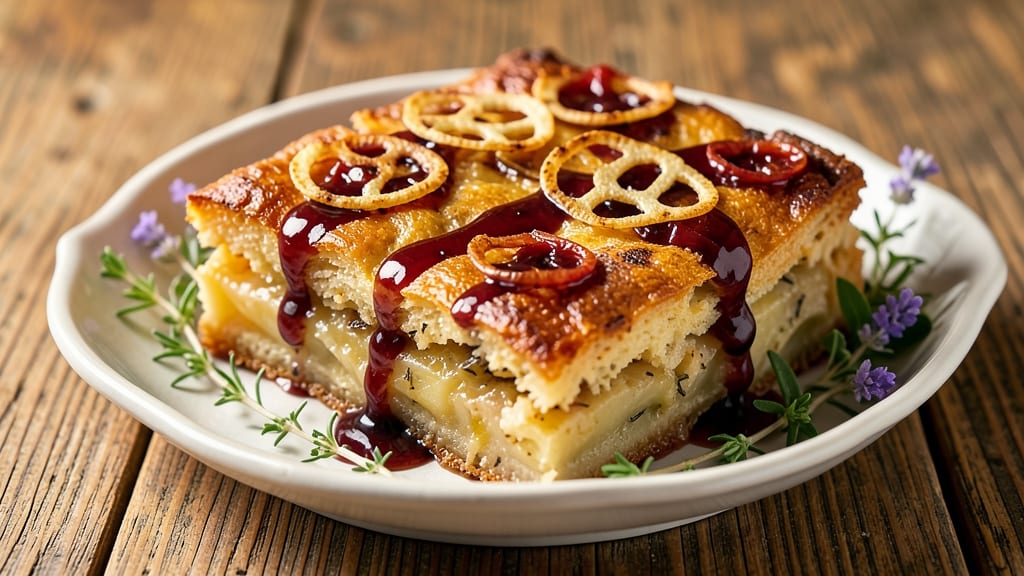
This balsamic thyme potato torte transforms humble potatoes into a restaurant-worthy side dish with layers of herbed, golden potatoes topped with a tangy balsamic glaze.
The secret lies in thinly sliced potatoes baked until tender yet crisp at the edges, infused with fresh thyme and finished with a glossy reduction that ties everything together. After perfecting this recipe for holiday tables, I can confidently say it elevates any meal from ordinary to extraordinary.
The technique is simpler than it sounds: thinly slice potatoes for even cooking, layer them with thyme-infused butter, and bake until the edges caramelize beautifully. The balsamic reduction—simmered with shallots and a touch of vinegar—adds depth that cuts through rich main dishes.
What you'll end up with is a torte that's crisp enough to stand alone but tender enough to melt in your mouth, all while delivering that perfect balance of sweet, tangy, and herby flavors.
This potato torte works equally well as a side for roasted meats, grilled fish, or even as a vegetarian main course with a fresh salad.
The glaze can be made ahead, and the torte reheats beautifully, making it perfect for gatherings where you want to impress without spending hours in the kitchen. The combination of textures—crispy layers, creamy potatoes, and glossy glaze—makes every bite satisfying and elegant.
For an extra touch of sophistication, garnish with fresh thyme sprigs or a drizzle of reduced balsamic just before serving. The recipe scales easily, so you can adjust the size of your torte pan to fit your dinner table.
Whether you're hosting a holiday feast or simply craving something special, this dish delivers professional-quality results with minimal effort.
Ingredients for balsamic thyme potato torte
Thinly sliced potatoes, herbed butter, and a tangy balsamic glaze make this torte shine.
| Ingredient | Amount | Notes |
|---|---|---|
| Russet Potatoes 🥔 | 3 lb | Thinly sliced, peeled preferred |
| Unsalted Butter 🧈 | ½ cup | Cold, cubed for even distribution |
| Fresh Thyme 🌿 | ¼ cup | Leaves only, finely chopped |
| Balsamic Vinegar 🍷 | ½ cup | High-quality, aged variety |
| Shallots 🧅 | 2 whole | Minced, for glaze base |
| Granulated Sugar 🍚 | 2 tbsp | For glaze caramelization |
| Vegetable Oil 🫒 | 2 tbsp | For greasing torte pan |
| Salt 🧂 | 1 ½ tsp | Kosher or sea salt |
| Black Pepper 🌶️ | ½ tsp | Freshly cracked |
| Heavy Cream 🥛 | ¼ cup | Optional for extra richness |
| All-Purpose Flour 🌾 | 1 tbsp | For dusting potato slices |
| Fresh Thyme Sprigs 🌿 | 4 whole | For garnish, optional |
The potatoes are everything here—Russet is ideal for its crisp texture. Grab a mandoline slicer for even cuts, or ask your butcher to slice them thinly. Fresh thyme from the grocery store's produce section (not the dried aisle) gives the best flavor—Costco or Whole Foods usually have the freshest. For the balsamic, aged varieties from the gourmet section add depth. The shallots? Fresh, not jarred—they make all the difference in the glaze's complexity.
No mandoline? Hand-slice with a sharp knife—just be patient. Substitute dried thyme at one-third the amount, but fresh is worth it. Running out of balsamic? Red wine vinegar with a pinch of sugar works in a pinch. The heavy cream is optional, but if you're making this for a special occasion, it adds that restaurant-quality richness. For the glaze, simmer the shallots low and slow to avoid burning—it's easy to rush this step.
Potatoes keep best in a cool, dark place for 2 weeks, but use them within a week for peak crispness. The glaze can be made a day ahead and reheated gently. Once assembled, the torte reheats beautifully—cover with foil and warm in a 350°F oven for 10-15 minutes. Garnish with fresh thyme just before serving to keep it vibrant. Leftovers? Store in an airtight container for 4 days—it actually tastes better the next day.
Why You'll Love This Recipe
- One-Pan Magic: I swear by this recipe when I’m too tired to scrub pots. Peel, slice, layer—done. The shallots caramelize right in the oven while the potatoes soak up that balsamic butter like a dream.
- Umami Bomb: That tangy balsamic glaze cutting through the creamy potatoes? It’s the kind of flavor combo that makes you pause mid-bite. The thyme adds a bright, earthy punch—simple, but ridiculously good.
- Leftover Hero: Between us, this torte tastes even better the next day. I make a double batch on Sundays, slice it up, and it’s my go-to for work lunches or a quick dinner when I’m starving but short on time.
- Budget Stretch: Russets are cheap, butter’s a pantry staple, and a little balsamic vinegar goes a long way. This recipe feeds four for under $10, and honestly? It feels like a fancy side dish without the restaurant price tag.
Step-by-step instructions for balsamic thyme potato torte
Here's how to build layers of fluffy potato and herb richness topped with a glossy balsamic glaze.
Prepare and Layer the Potato Mixture
Preheat your oven to 375°F. Peel and thinly slice the 3 lb russet potatoes (about ⅛-inch thick). You'll need about 8 cups of slices. Soak them in cold water for 10 minutes to remove excess starch, then drain and pat completely dry with paper towels.
In a large bowl, combine the 0.5 cup unsalted butter (cold, cubed), 0.25 cup finely chopped fresh thyme, 1.5 tsp salt, and 0.5 tsp black pepper. Toss the potato slices in the butter-thyme mixture until evenly coated. This step ensures every layer gets that herby, buttery richness we're after.
Lightly grease a 9x13-inch baking dish with 2 tbsp vegetable oil (or line with parchment paper). Arrange half the potato slices in a single layer, slightly overlapping. Sprinkle with 1 tbsp all-purpose flour to help absorb moisture. Repeat with the remaining slices, ending with a final sprinkle of flour on top. Press down gently to compact the layers—this prevents a watery texture.
Bake Until Golden and Tender
Cover the dish tightly with aluminum foil and bake for 45 minutes. Then remove the foil and continue baking for another 15-20 minutes until the top is deep golden brown and the edges are crisp. You'll know it's done when a knife slides in easily and the potatoes feel tender but still hold their shape.
Here's the thing—don't overbake. The potatoes should be soft but not falling apart. If the top isn't brown enough after 20 minutes, broil for 2-3 minutes (watch closely to avoid burning). Let it cool slightly (about 10 minutes) before moving to the next step—this helps the glaze stick better.
Make the Balsamic-Shallot Glaze
While the torte bakes, make the glaze. In a small saucepan, combine the 0.5 cup balsamic vinegar, 2 tbsp granulated sugar, and 2 minced shallots. Bring to a simmer over medium heat and cook for 8-10 minutes until reduced by half and syrupy. The mixture should coat the back of a spoon and smell deeply caramelized.
Remove from heat and stir in the 0.25 cup heavy cream (if using). This adds a velvety contrast to the tangy-sweet glaze. If you skipped the cream, the glaze will still be rich but slightly lighter. Let it cool slightly before pouring—you want it warm enough to cling but not so hot it steams the torte.
Assemble and Glaze the Torte
Pour the warm glaze evenly over the cooled torte. Use a spoon to spread it into the cracks and crevices—this ensures every bite gets that glossy, tangy finish. Let it sit for 5 minutes to soak in, then garnish with the 4 whole fresh thyme sprigs for a pop of color and aroma.
For the best texture, serve at room temperature (about 30 minutes after glazing). The contrast of the warm glaze against the cool, fluffy potatoes is what makes this torte truly special. Slice into 6 equal portions and enjoy with a crisp green salad or roasted vegetables.
Pro Tips For Making Balsamic Thyme Potato Torte
- BOIL POTATOES UNIFORM: Cut Russets into even ½-inch slices—no thick hunks, no thin scraps. I learned this the hard way when my torte turned mushy in spots because some slices cooked faster than others. A mandoline makes this faster, but a sharp knife works if you’re patient (and don’t rush).
- SWEAT SHALLOTS LOW: Cook shallots in butter until they’re translucent, not browned—this stops them from turning bitter in the torte. I used to crank the heat, and the flavor got harsh. Keep it at medium-low and stir often; they’ll soften without burning.
- SKIP THE THYME STEMS: Strip thyme leaves off stems before adding them to the butter—whole sprigs burn easily and won’t infuse as well. I used to toss them in whole, and the stems just turned crispy while the leaves stayed undercooked. Two minutes of prep saves you from a bland torte.
- BAKE COVERED THEN UNCOVERED: Start the torte covered with foil for the first 20 minutes to steam the potatoes evenly, then uncover to let the top crisp. I used to bake it uncovered the whole time, and the outside got dry before the center cooked through. This two-step method guarantees a creamy interior and a golden crust.
Troubleshooting perfect results
Potatoes Too Watery
If your torte turns out soggy, it’s likely from excess moisture in the potatoes. Always pat them completely dry after draining—even a little dampness creates steam during baking. I’ve found that soaking for no more than 10 minutes prevents over-absorption of water.
For extra insurance, sprinkle each layer with 1 tbsp flour before stacking. This creates a dry barrier that keeps the torte crisp. 💧
Glaze Too Thin
The glaze should coat the back of a spoon and take 8-10 minutes to reduce by half. If it’s still runny, simmer longer or add 1 tsp sugar to help caramelize. I’ve had success using a small, heavy-bottomed saucepan—it prevents burning and ensures even reduction.
For a thicker glaze, reduce it until it reaches ¼ cup total volume. Let it cool slightly before pouring to avoid steaming the torte.
Uneven Baking
Uneven browning or undercooked centers happen when the oven isn’t hot enough or the torte isn’t layered properly. Always preheat the oven to 375°F and use a light-colored baking dish for even heat distribution. Press the potato layers gently but firmly to eliminate air gaps.
If the center stays cool, tent with foil for 10 more minutes before checking again. A meat thermometer helps—aim for 205°F at the thickest part.
Glaze Not Sticking
A cold torte won’t absorb the glaze well. Let it cool for 10-15 minutes after baking, then pour the glaze while it’s still slightly warm (not hot). For extra adhesion, brush the torte with 1 tbsp melted butter before adding the glaze.
If the glaze pools, spread it with a spoon into the crevices. A pastry brush works great for this step. For a restaurant-style finish, chill the torte for 30 minutes before glazing—it’ll hold the coating beautifully.
Potatoes Falling Apart
Overbaking is the usual culprit here. Once the potatoes feel tender but still hold their shape (about 60-65 minutes total), remove them from the oven. If they’re falling apart, they’ve been baked too long.
For a firmer texture, reduce baking time by 5 minutes and broil for 2-3 minutes at the end. Pressing the layers gently but firmly during assembly also helps maintain structure. A light sprinkle of flour between layers adds stability without making them dry.
Balsamic Glaze Too Tart
If the glaze tastes overly acidic, balance it with 1 tsp honey or maple syrup while simmering. For depth, add ½ tsp vanilla extract or a pinch of cinnamon to complement the balsamic.
I’ve also found that reducing the glaze longer (until it’s ⅓ cup total) intensifies the flavor without adding sweetness. Taste as you go—adjust while warm, as flavors mellow when cooled. A splash of heavy cream at the end softens the tang beautifully. 🍯
Nutrition facts
Frequently asked questions about balsamic thyme potato torte
Can I make this torte ahead of time?
The torte actually tastes better the next day. Assemble it up to 24 hours ahead, cover tightly with foil, and refrigerate. Reheat covered in a 350°F oven for 15-20 minutes before glazing. The glaze can be made separately and reheated gently—just warm it until pourable. This makes it perfect for holiday gatherings when you want to spend less time in the kitchen on the day of serving.
What's the best way to slice potatoes for even cooking?
Use a mandoline slicer for perfectly even ⅛-inch slices. If you don't have one, ask your butcher to slice them thinly or use a sharp knife with a steady hand. For extra insurance, soak slices in cold water for 10 minutes to remove starch, then pat completely dry. This prevents a gummy texture and helps the torte hold its shape during baking.
Can I substitute dried thyme for fresh?
Yes, but use ⅓ the amount—so 1 teaspoon dried thyme instead of ¼ cup fresh. Fresh thyme has more delicate, vibrant flavor that really shines in this dish. If you must use dried, crush it lightly between your fingers to release the oils before mixing with the butter. For maximum flavor, fresh thyme is definitely worth seeking out.
How do I adjust the recipe for a smaller serving?
This torte works beautifully in a 8x8-inch pan for 4 servings. Reduce potatoes to 2 lb, butter to ¼ cup, and thyme to 2 tablespoons. Keep all other ingredients proportional. The baking time will be about 50-55 minutes total. For individual portions, use 6-ounce ramekins—layer potatoes, bake covered for 30 minutes, then uncovered for 10-15 minutes.
What's the secret to getting crispy edges?
The key is baking uncovered for the final 15-20 minutes at 375°F until golden brown. For extra crispiness, broil for 2-3 minutes at the very end (watch closely!). Press the potato layers gently but firmly during assembly to eliminate air pockets. A light-colored baking dish also helps create even browning. The contrast between crispy edges and tender centers is what makes this torte so satisfying.